
Chopping vegetables can feel like a mini crisis when you’re short on time, but the reward is always worth it. Today, I’m excited to share my favorite Crockpot Vegetable Curry recipe—an effortless and hearty dish that takes the stress out of dinner prep. With just a handful of vibrant vegetables and a quick sauté, you can create a comforting meal that’ll nourish your body and soul. It’s perfect for busy weeknights, surprisingly easy to throw together, and did I mention it’s completely vegan? Plus, who doesn’t love a dish that essentially cooks itself? Let’s cozy up and discover how a few simple ingredients can transform your routine into something delightful—are your taste buds ready for the journey?
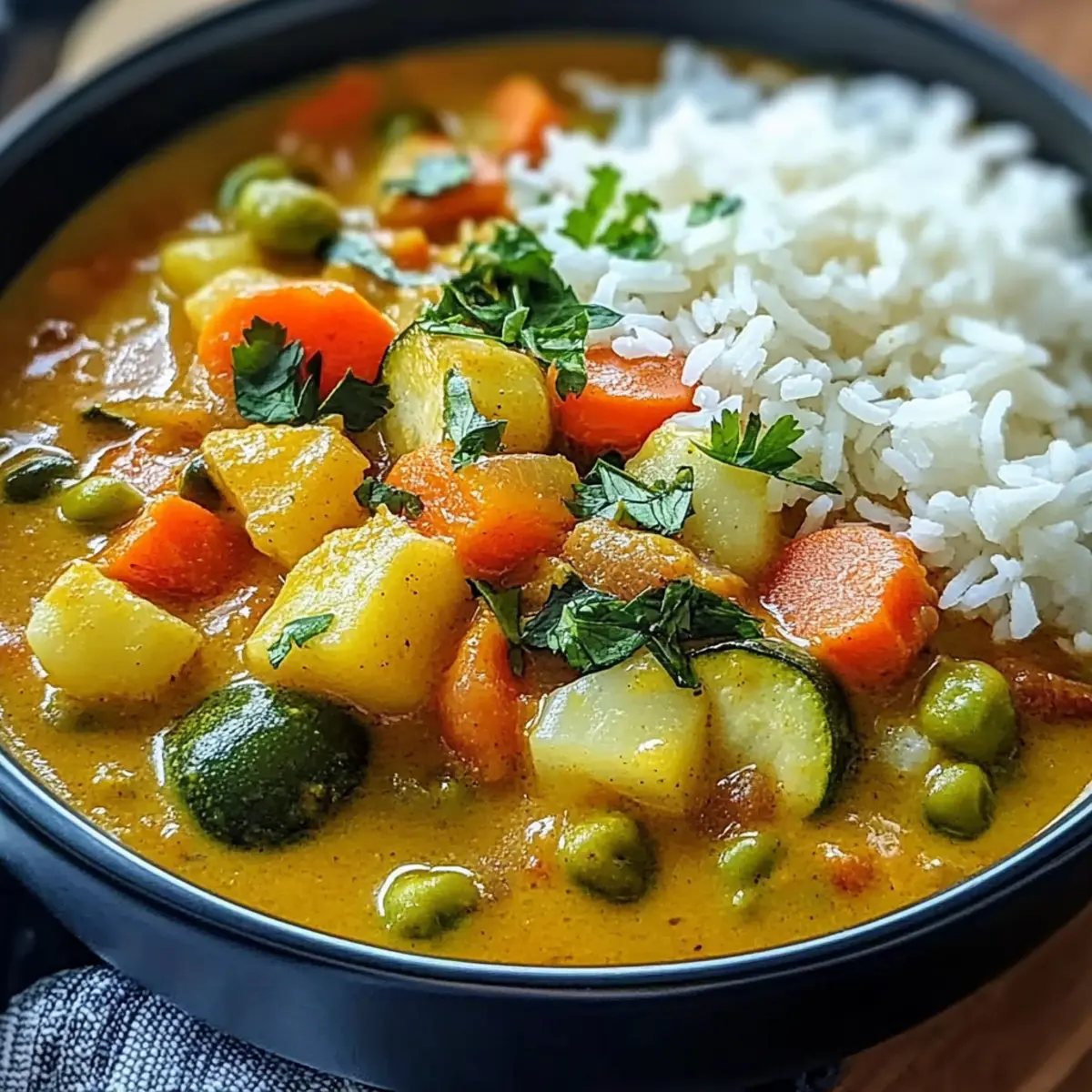
Why is Crockpot Vegetable Curry a Must-Try?
Convenience at Its Finest: This Crockpot Vegetable Curry is a true game changer for busy days; simply chop, sauté, and let the slow cooker do the magic.
Flavor Explosion: With the harmonious blend of spices, creamy coconut milk, and vibrant veggies, it promises a mouthwatering experience that delights everyone at the table.
Health-Nourishing Ingredients: Packed with nutrient-rich vegetables, it’s a wholesome meal option that’s satisfying and guilt-free.
Vegan and Gluten-Free: Enjoy this dish without dietary worries; it caters to various lifestyles. Plus, if you’re seeking more vegan recipes, consider checking out my Crockpot Chicken Tortellini.
Versatile and Customizable: Feel free to toss in your favorite veggies or proteins, making this a recipe you’ll keep coming back to.
Get ready for a comforting culinary experience that’s as easy as it is delicious!
Crockpot Vegetable Curry Ingredients
Discover the delicious components that make up this comforting dish!
For the Base
- Olive Oil – Adds richness and helps sauté aromatics; can substitute with avocado oil for a different flavor.
- Onion – Provides a savory base and depth of flavor; yellow, red, or white onions work beautifully.
- Garlic – Enhances taste and aroma; minced or sliced is great for this dish.
- Ginger – Adds warmth and spice; fresh ginger is preferred, but ground ginger can be used in a pinch.
For the Veggies
- Bell Pepper – Offers sweetness and color; any color bell pepper can work or substitute with peas for a different texture.
- Carrots – Sweetness and crunch; sliced for even cooking to ensure tenderness.
- Zucchini – Adds texture and absorbs flavors; chopped into bite-sized pieces for perfect cooking.
- Cauliflower – Light and tender; adds bulk; can substitute with broccoli if desired.
For the Creamy Sauce
- Coconut Milk (14 oz can) – Provides creaminess and richness; an essential component for a flavorful curry.
- Diced Tomatoes (14 oz can) – Adds acidity and moisture; an important ingredient for balance.
- Red Curry Paste – The main flavor component; adjust the amount based on desired heat level. Can substitute with yellow curry paste for a milder taste.
- Soy Sauce or Tamari – Adds umami and seasoning; tamari ensures gluten-free option.
For the Seasoning
- Ground Cumin – Earthy flavor; an essential spice for curry.
- Turmeric – Offers color and anti-inflammatory benefits; no substitutes recommended for the best flavor.
- Salt – Enhances overall flavor; adjust based on your taste preference.
- Black Pepper – Aids in flavoring; freshly cracked is recommended for best results.
For the Finish
- Spinach – A nutritious addition added at the end; both fresh or frozen work great.
- Optional Toppings – Fresh cilantro, lime wedges, or sesame seeds for a delightful garnish that elevates the dish.
These ingredients combined will create a harmonious and satisfying Crockpot Vegetable Curry experience that you and your loved ones will adore!
Step‑by‑Step Instructions for Crockpot Vegetable Curry
Step 1: Prepare Vegetables
Begin by washing and chopping your onion, garlic, ginger, bell pepper, carrots, zucchini, and cauliflower into bite-sized pieces. Aim for consistent sizes to ensure even cooking. Set them aside in a bowl, allowing for easy access as you move forward with your flavorful Crockpot Vegetable Curry.
Step 2: Sauté Aromatics
In a skillet, heat 2 tablespoons of olive oil over medium heat. Once hot, add the chopped onion, stirring for about 4-5 minutes until translucent. Then, introduce the minced garlic and grated ginger, sautéing for another minute until their fragrances fill the kitchen—this aromatic base will elevate your curry’s flavors.
Step 3: Transfer to Crockpot
Once the aromatics are ready, transfer them to your Crockpot. Add the chopped bell pepper, carrots, zucchini, and cauliflower into the pot, creating a colorful medley. Give everything a gentle stir to ensure the sautéed ingredients are evenly distributed among the fresh veggies, setting the stage for a delicious Crockpot Vegetable Curry.
Step 4: Incorporate Liquids
Pour in one can of creamy coconut milk and one can of diced tomatoes, stirring well to combine everything into a luscious sauce. The milk should blend smoothly with the diced tomatoes, forming a rich base that will infuse your vegetables as they cook in the slow cooker.
Step 5: Add Seasonings
Sprinkle in the red curry paste, soy sauce (or tamari), ground cumin, turmeric, salt, and freshly cracked black pepper. Mix thoroughly, ensuring that all the flavors meld together. The vibrant colors from the spices will begin to promise a rich flavor profile for your Crockpot Vegetable Curry.
Step 6: Set Slow Cooker
Cover the Crockpot with its lid and cook on high for about 4 hours or on low for 6-8 hours. As your curry simmers, the vegetables will soften, absorbing the wonderful spices and creating a heartwarming aroma that will fill your home, making it feel cozy and inviting.
Step 7: Add Spinach
About 15 minutes before serving, add fresh or frozen spinach to the Crockpot. Stir it gently into the curry, allowing it to wilt and become tender. This last-minute addition not only boosts the nutrition but also adds a beautiful green color to your finished dish.
Step 8: Taste and Adjust
Before serving, take a moment to taste your Crockpot Vegetable Curry. Adjust the seasoning with extra salt or spices if desired, giving it that personal touch. This is the perfect opportunity to ensure that every bite is just right for your family’s taste preferences.
Step 9: Garnish and Serve
Ladle the hearty Crockpot Vegetable Curry into serving bowls and consider garnishing with fresh cilantro, lime wedges, or sesame seeds. These toppings will enhance the dish’s flavor and presentation. Serve it warm, alongside cooked rice, quinoa, or naan, for a complete meal that brings everyone together.
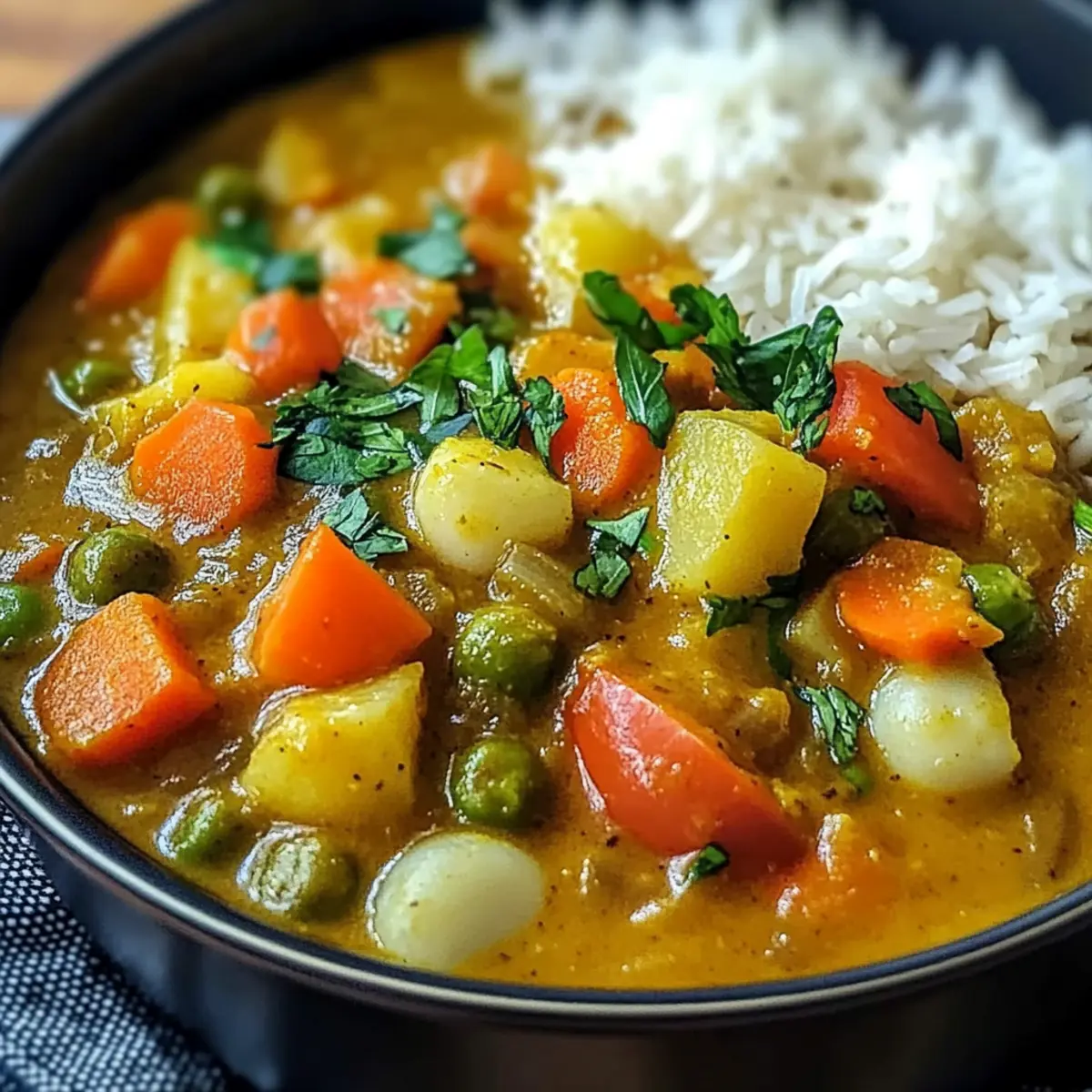
Crockpot Vegetable Curry Variations
Feel free to switch things up with these delicious and creative variations for your Crockpot Vegetable Curry!
-
Greens Galore: Replace spinach with kale or collard greens. These dark leafy greens offer a hearty twist and added nutrients while bringing a different texture to the dish.
-
Coconut Oil Upgrade: Swap olive oil for coconut oil for an intense coconut flavor. This change not only complements the curry but also gives it a lovely aroma as it simmers.
-
Protein Boost: Add lentils or chickpeas for extra protein and heartiness. They blend seamlessly into the curry while providing a satisfying texture that will leave you fuller for longer.
-
Spice it Up: Increase the red curry paste or add a dash of cayenne pepper for heat enthusiasts. This little adjustment ensures every bite has a delightful kick that can be enjoyed by all.
-
Creamy Twist: Stir in a tablespoon of peanut or almond butter during the last 30 minutes of cooking for a unique creamy texture and nutty flavor.
-
Colorful Medley: Toss in a mix of seasonal vegetables like asparagus or sweet potatoes. This allows you to play with flavors and colors, making each pot uniquely yours!
-
Herbaceous Freshness: Add fresh herbs like basil or parsley right before serving to elevate the flavors. The fresh aroma enhances the dish and gives your curry a vibrant finish.
For more ideas to keep your meals fresh and exciting, explore my recipes like Chicken Curry with Coconut Milk and elevate your weeknight dinners!
What to Serve with Crockpot Vegetable Curry
Elevate your meal experience with delightful sides that add warmth and flavor to your comforting curry.
-
Steamed Jasmine Rice: Its fluffy texture soaks up the curry sauce perfectly, creating a harmonious plate that highlights the rich flavors.
-
Naan Bread: Soft and pillowy, naan is perfect for scooping up the curry, adding a delightful, chewy texture to each bite.
-
Quinoa Salad: A fresh mix with herbs and a squeeze of lemon adds a bright contrast, enhancing the curry’s warmth while keeping it light.
-
Cucumber Raita: This refreshing yogurt-based side cools your palate, making it a wonderful complement to the spiciness of the curry.
-
Roasted Vegetables: Caramelized veggies provide a slightly sweet and crunchy texture, adding depth and flavor to your meal.
-
Mint Lemonade: This zesty drink offers a refreshing burst of flavor, perfectly balancing the richness of the curry with every sip.
-
Chickpea Fritters: Crispy and savory, these bites bring a satisfying crunch that pairs deliciously with the creamy curry.
-
Apple Crisp: For dessert, a warm apple crisp with a scoop of vanilla ice cream adds a sweet ending, leaving everyone joyful and satisfied.
How to Store and Freeze Crockpot Vegetable Curry
Fridge: Store any leftover Crockpot Vegetable Curry in an airtight container for up to 3 days. This ensures your delicious meal remains fresh and flavorful.
Freezer: If you want to save it for later, freeze the curry in a sealed container for up to 3 months. Let it cool completely before placing it in the freezer to maintain the right texture.
Reheating: When ready to enjoy your curry again, thaw it in the fridge overnight. Reheat on the stove over low heat until warmed through, or microwave in intervals, stirring in between.
Tip: Always taste and adjust the seasoning after reheating, as flavors can mellow during storage!
Expert Tips for Crockpot Vegetable Curry
-
Chop Consistently: Make sure all vegetables are chopped to similar sizes for even cooking. This prevents some from being overcooked and others remaining crunchy.
-
Layer Flavors: Always sauté the onion, garlic, and ginger first to build a flavor foundation before adding them to the Crockpot. This maximizes the taste of your Crockpot Vegetable Curry.
-
Adjust Spice Levels: Feel free to taste the dish while it cooks and adjust the red curry paste according to your heat preference. You can always add more but can’t take it out!
-
Use Fresh Ingredients: Fresh veggies yield the best flavor and texture, so choose the ripest produce available. Avoid old or wilted vegetables for a more appealing dish.
-
Garnish Wisely: Adding fresh cilantro, a squeeze of lime, or sesame seeds before serving will elevate flavors and add a beautiful touch to your finished Curry.
Make Ahead Options
These Crockpot Vegetable Curry preparations are perfect for busy home cooks looking to save time during the week! You can chop and sauté the onion, garlic, and ginger up to 24 hours in advance; simply refrigerate them in an airtight container to maintain their flavor and freshness. Additionally, you can pre-assemble all the veggies and place them in the Crockpot with the liquids and spices (leave out the spinach for now). Store this mixture in the fridge for up to 3 days. When you’re ready to serve, just transfer it to the Crockpot and cook as directed. This way, you’ll have a delicious, homemade curry with minimal effort on busy nights!
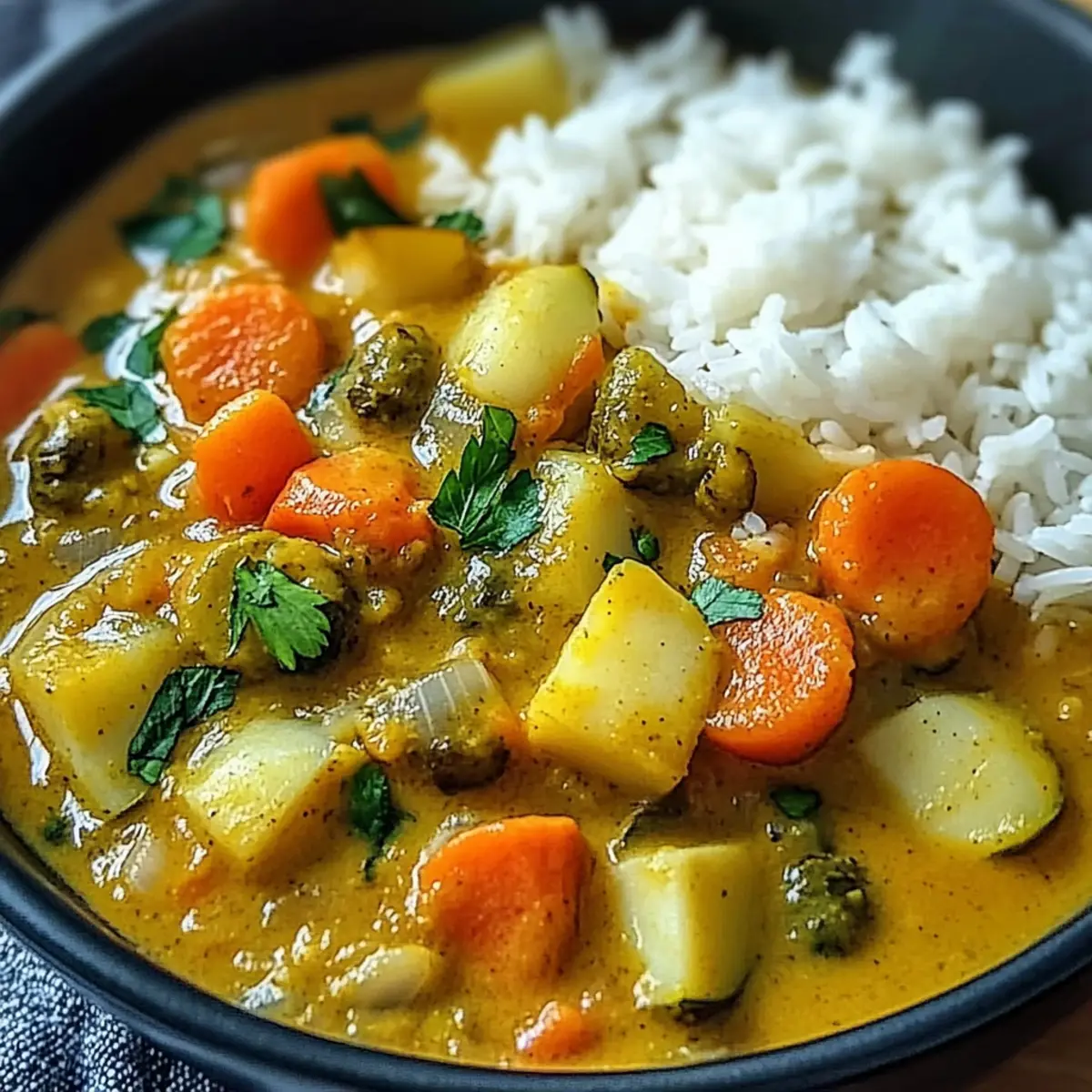
Crockpot Vegetable Curry Recipe FAQs
What vegetables should I use for the best flavor in my Crockpot Vegetable Curry?
Absolutely! Aim for fresh, vibrant vegetables like bell peppers, carrots, zucchini, and cauliflower. These choices provide a great mix of textures and flavors. Look for firm, colorful vegetables without any dark spots or blemishes. If you’re picky about textures, remember you can always swap out cauliflower for broccoli, and peas can replace bell peppers for a different touch.
How should I store leftover Crockpot Vegetable Curry?
Leftovers are a wonderful perk! Store any extra Crockpot Vegetable Curry in an airtight container in the refrigerator for up to 3 days. Make sure it cools completely before sealing it up; this helps maintain flavor and freshness.
Can I freeze Crockpot Vegetable Curry, and how do I do it?
Certainly! To freeze your curry, let it cool completely, then transfer it to a durable, freezer-safe container. It can stay frozen for up to 3 months. When you’re ready to enjoy it, thaw it in the fridge overnight, then reheat on the stove over low heat until warmed through. This process ensures the flavors remain intact while retaining its creamy texture.
What if my Crockpot Vegetable Curry turns out too watery?
No worries—this can happen from time to time! If you find your curry is too watery, you can thicken it up by mixing a tablespoon of cornstarch with a little water to create a slurry. Stir this mixture into the curry while it cooks for an additional 30 minutes on high. Alternatively, you can cook it uncovered for the last hour to help evaporate some of the excess liquid.
Are there any dietary considerations I should be aware of when making this curry?
Yes! This Crockpot Vegetable Curry is vegan, making it perfect for plant-based diets, and you can easily make it gluten-free by using tamari instead of soy sauce. Before serving, check for any allergy concerns with your guests, such as issues with soy, coconut, or specific vegetables. It’s always best to communicate and ensure everyone feels included!
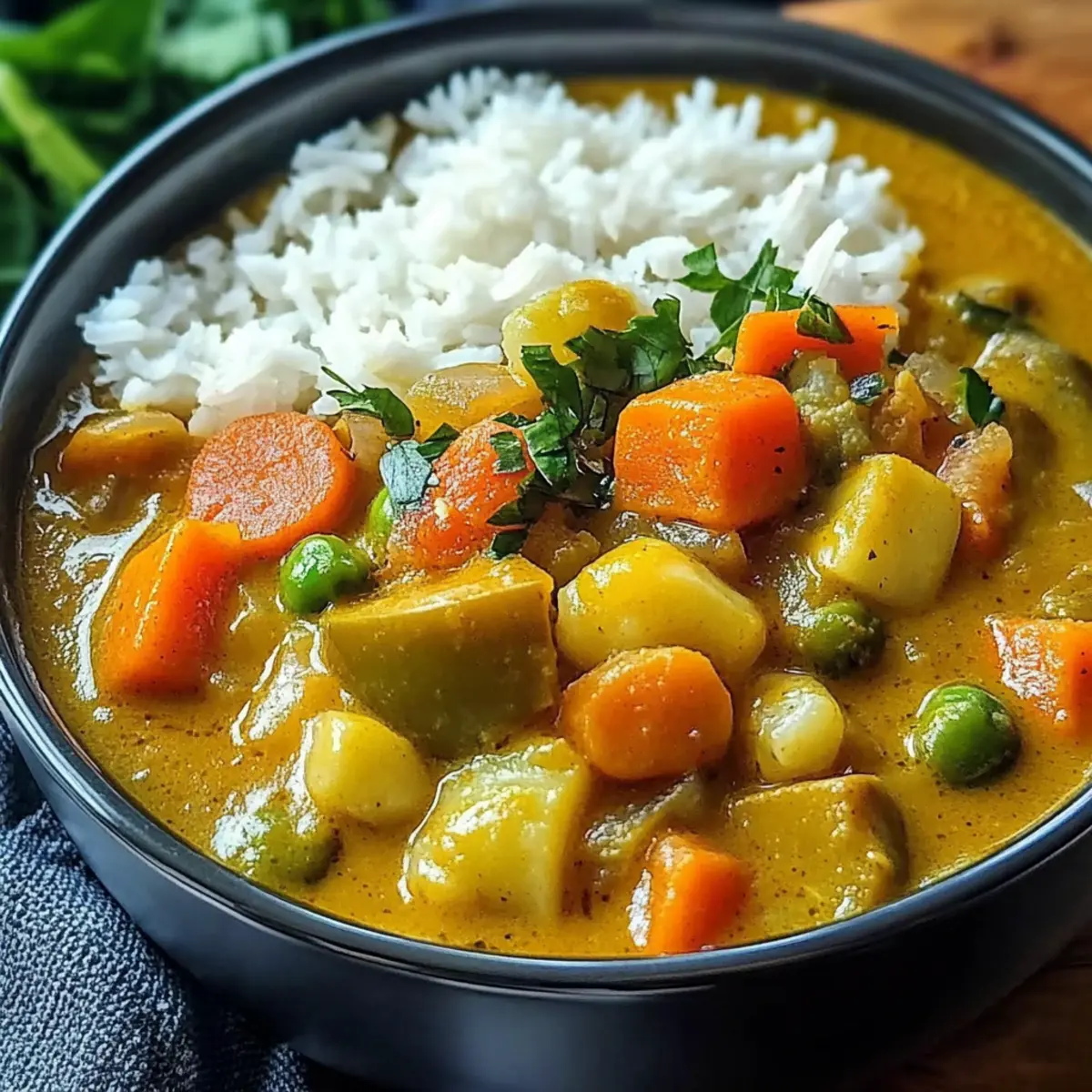
Hearty Crockpot Vegetable Curry for Cozy Dinner Nights
Ingredients
Equipment
Method
- Prepare Vegetables: Chop onion, garlic, ginger, bell pepper, carrots, zucchini, and cauliflower into bite-sized pieces.
- Sauté Aromatics: Heat olive oil in a skillet, add onion, garlic, and ginger, and cook until fragrant.
- Transfer to Crockpot: Add sautéed aromatics and chopped vegetables into the Crockpot and stir well.
- Incorporate Liquids: Pour in coconut milk and diced tomatoes, stirring to combine.
- Add Seasonings: Mix in red curry paste, soy sauce, cumin, turmeric, salt, and black pepper.
- Set Slow Cooker: Cover and cook on high for about 4 hours or low for 6-8 hours.
- Add Spinach: Stir in spinach about 15 minutes before serving.
- Taste and Adjust: Check the seasoning and adjust to your preference before serving.
- Garnish and Serve: Serve in bowls, optionally garnished with cilantro, lime wedges, or sesame seeds.
Leave a Reply