
The moment the chilly air wraps around me, I find myself craving a warm embrace—one that comes in the form of a delicious bowl of Hearty Korean Winter Soup. This delightful dish is not just a recipe; it’s a reassuring hug on cold nights, brimming with tender beef, soft tofu, and an aromatic chorus of fresh vegetables. With the promise of quick prep time and the ability to customize it for gluten-free or vegetarian diets, this soup makes it easy to trade in fast food for something heartwarming and satisfying. As the rich broth simmers, filling your kitchen with its enticing scent, you’ll be drawn into the comforting ritual of homemade cooking. Are you ready to bring some warmth into your kitchen? Let’s dive into this sumptuous recipe together!
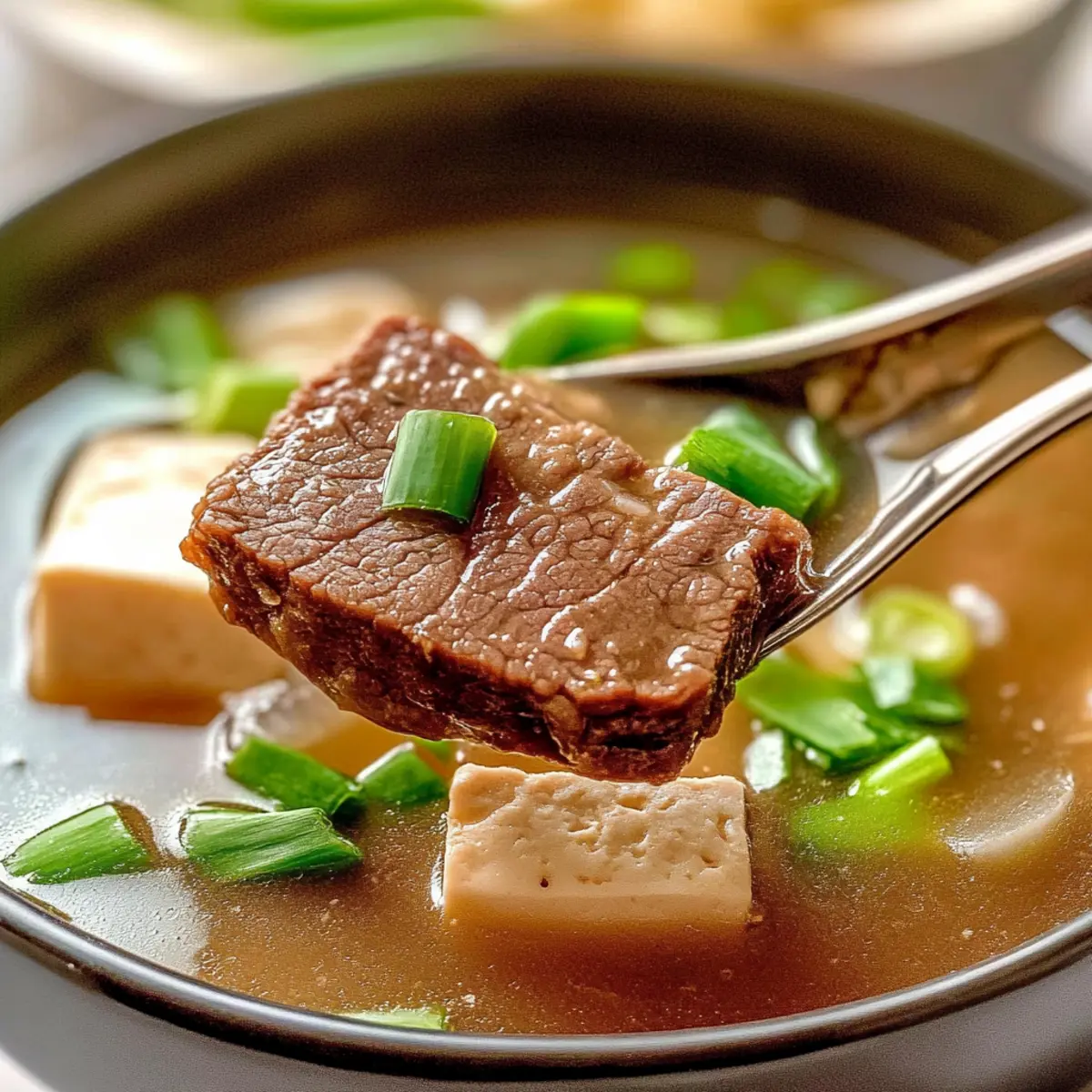
Why Is Korean Winter Soup So Special?
Comforting, this Hearty Korean Winter Soup is the perfect antidote to chilly nights, creating a cozy meal that’ll warm your heart. Rich, savory flavors meld beautifully, inviting you to savor each spoonful. Versatile enough for dietary needs, you can easily swap ingredients, as seen in my recommendations for a delicious Gochujang Korean Tofu version. Quick to prepare, it fits seamlessly into busy schedules, offering that homemade goodness without the hassle. Whether served with steaming rice or enjoyed on its own, this soup is a delightful alternative to takeout, reminding you that real comfort food is best made at home.
Korean Winter Soup Ingredients
For the Broth
- Beef Short Ribs – Adds rich flavor and tender texture; can substitute with beef shank or oxtail for a similar result.
- Sea Salt – Essential for enhancing overall seasoning; adjust to taste for deeper flavor.
- Garlic – Fresh minced garlic adds aromatic depth; use it liberally for an intensified taste.
- Korean Leeks – Provides a unique, aromatic flavor; you can swap with regular leeks or green onions if necessary.
For the Vegetables
- Radish – Enhances the broth’s flavor; opting for Korean white radish or daikon is ideal.
- Green Onions – Best used as a fresh garnish; sprinkle them on just before serving for a burst of flavor.
For the Soy Sauce Base
- Guk Ganjang (Korean Soup Soy Sauce) – Contributes significant depth to the broth; substitute with regular soy sauce mixed with a hint of fish sauce for a non-gluten option.
For the Additional Protein
- Tofu – Provides a soft texture and protein; firm tofu works best but feel free to experiment with silken tofu for a creamier dish.
This Korean Winter Soup is a warm embrace in a bowl, perfect for cozy nights!
Step‑by‑Step Instructions for Hearty Korean Winter Soup
Step 1: Soak the Beef
Begin by soaking the beef short ribs in cold water for about 1 hour. This process helps to draw out excess blood, ensuring a cleaner broth. Alternatively, you can flash boil the ribs in boiling water for 5 minutes, then discard the liquid. Rinse the ribs under cold water for a fresh start.
Step 2: Prepare the Aromatics
While the beef is soaking, prepare your aromatics. Take a whole yellow onion, leaving the skin on for added flavor, and roughly chop ginger and garlic. If you have green onion roots, include those as well. This step is essential as these aromatics will create the flavorful backbone of your Korean winter soup.
Step 3: Combine Ingredients in a Pot
In a large pot, combine the soaked ribs with the chopped aromatics, adding around 10 cups of water. Make sure the water covers the ribs entirely to create a rich broth. Bring this mixture to a boil over medium-high heat, allowing the flavors to meld before moving on to the next steps.
Step 4: Skim the Broth
Once the liquid reaches a rolling boil, you’ll see foam forming on the surface. Skim this off with a ladle or spoon to clarify your broth. This step is key for achieving a clear, enticing soup. After skimming, reduce the heat to medium-low and let the pot simmer uncovered for about 1 hour, stirring occasionally.
Step 5: Add the Radish
After simmering for an hour, it’s time to enhance the flavor by adding the radish slices into the pot. Allow the soup to continue simmering for another 20 minutes, or until the radish is tender. This additional cooking time will infuse the broth with the radish’s unique flavor, making your hearty Korean winter soup truly delicious.
Step 6: Season the Broth
Once the radish is tender, remove the pot from heat and discard the aromatics. Now, season the broth with guk ganjang and sea salt to your taste. For an extra kick of flavor, add additional minced garlic at this stage. Let the soup rest for about 10 more minutes to allow the flavors to meld beautifully.
Step 7: Serve and Garnish
Your Hearty Korean Winter Soup is ready! Ladle the hot soup into bowls, making sure to include pieces of tender beef and radish. Finish by sprinkling freshly chopped green onions and a dash of black pepper over each serving for a pop of color and fresh flavor. Enjoy this comforting dish warm, either on its own or with a side of steamed white rice!
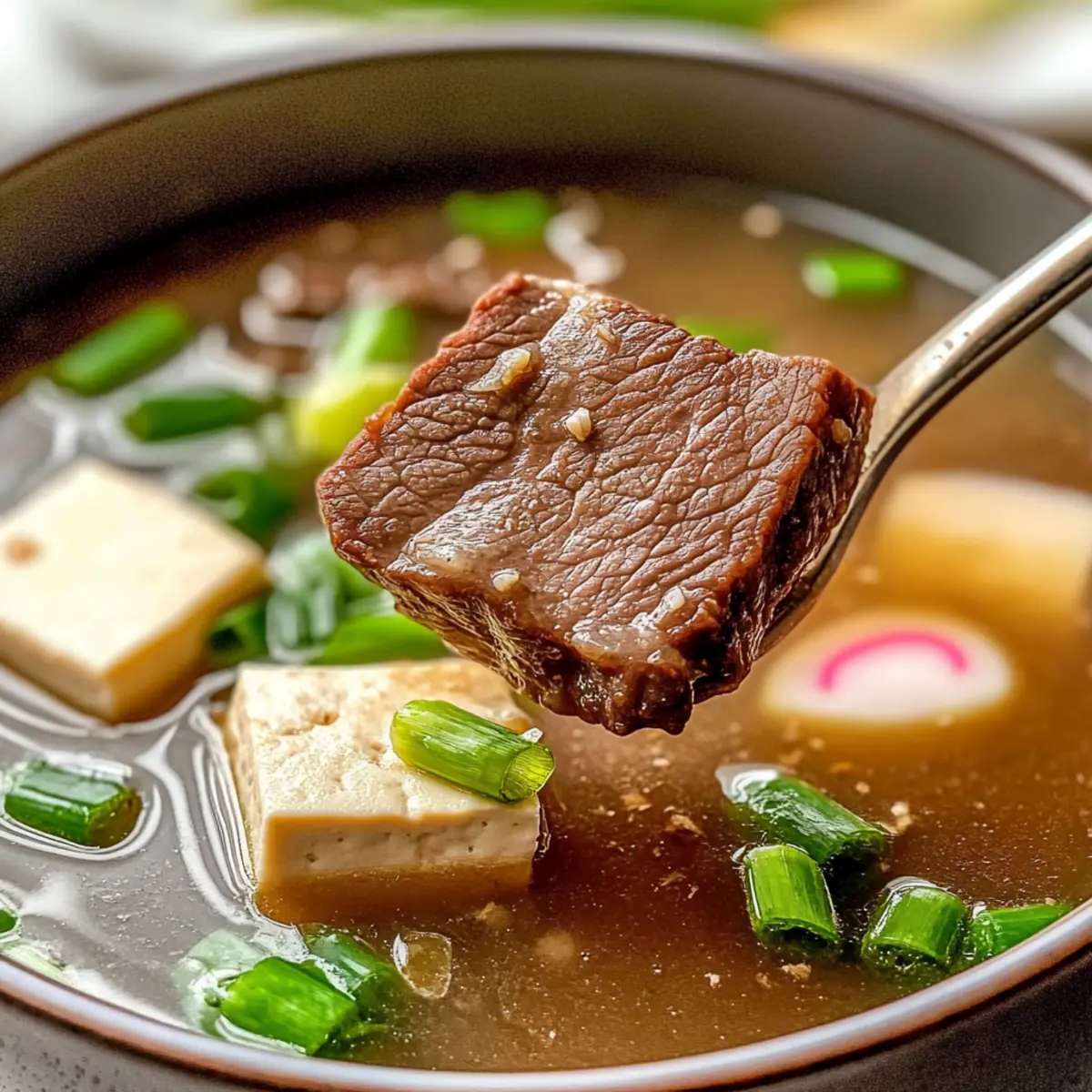
How to Store and Freeze Korean Winter Soup
Fridge: Store your hearty Korean winter soup in an airtight container for up to 3 days. Make sure it has cooled down before sealing to preserve freshness.
Freezer: For longer storage, freeze the soup in a freezer-safe container for up to 3 months. Leave some space at the top for expansion and consider freezing in individual portions for easy reheating.
Reheating: To enjoy, thaw in the fridge overnight and reheat gently on the stove over medium heat, stirring occasionally. If it appears too thick, add a splash of water or broth for desired consistency.
Note: For best flavor, consume frozen soup within 2 months. This vibrant Korean winter soup will still be delicious, but fresh is always best!
Korean Winter Soup Variations
Feel free to get creative and personalize your Korean winter soup with these delightful twists that add both flavor and flair!
-
Vegetarian Delight: Swap beef short ribs for large portobello mushrooms or seitan. This substitution brings a hearty, umami-rich texture while keeping the dish plant-based. Your soup will still feel comforting and satisfying!
-
Creamy Touch: Use silken tofu instead of firm varieties for a luxurious texture. It will soften beautifully in the broth, making every spoonful beautifully smooth.
-
Gluten-Free Option: Use gluten-free soy sauce as a substitute for guk ganjang. This way, everyone can enjoy the depth of flavor without worrying about gluten sensitivities, allowing for a heartwarming meal.
-
Add Noodles: For a more substantial meal, cook add some rice noodles or udon during the last few minutes of simmering. This twist transforms the soup into a comforting noodle soup that’s perfect for slurping up alongside every savory bite.
-
Spice it Up: Toss in some gochugaru (Korean red pepper flakes) or a splash of gochujang for a spicy kick! Adjust to your heat preference to give your soup an exciting kick without losing its comforting essence.
-
Consistent Flavors: Instead of sea salt, try a splash of fish sauce for a deeper umami profile. Just a touch adds complexity without overpowering the soup.
-
Herbal Infusion: Consider garnishing with fresh herbs such as cilantro or parsley. These will brighten the dish while offering a fresh note to this hearty meal.
-
Root Vegetable Boost: Add more root vegetables such as sweet potatoes or carrots. They will sweeten the broth naturally and enrich your soup’s texture, making every bowl even more nourishing.
As you explore these variations, remember you can also pair the soup with delightful sides like spicy korean chicken bao or a comforting ginger scallion chicken noodle soup to enhance your dining experience. Happy cooking!
Expert Tips for Korean Winter Soup
-
Clarify the Broth: Skimming foam during simmering is essential for a clear broth. Don’t skip this step to enhance the soup’s visual appeal.
-
Tasting is Key: When substituting ingredients, like using regular soy sauce instead of guk ganjang, taste the broth frequently and adjust seasoning accordingly.
-
Tender Radish: Ensure the radish is tender before removing aromatics. This step allows the radish’s flavor to better integrate into the Korean Winter Soup.
-
Tofu Decisions: Use firm tofu for the best texture; silken tofu can work well, but remember it will create a creamier consistency.
-
Optimize Cook Time: Simmer for at least an hour, but longer for added depth. The prolonged cooking releases more flavors into your soup!
Make Ahead Options
These Hearty Korean Winter Soup preparations are a lifesaver for busy weeknights! You can soak the beef short ribs and prepare the aromatics (onion, garlic, ginger, and green onion roots) up to 24 hours in advance, storing them separately in the refrigerator to maintain freshness. Additionally, the broth can be made and cooled, then refrigerated for up to 3 days—simply reheat it gently on the stove before serving. To keep the radish crisp and vibrant, add it shortly before serving, simmering until tender, ensuring your soup is just as delicious and warming as if it were made fresh. With these make-ahead tips, your comforting Korean winter soup will always be ready to embrace you with warmth!
What to Serve with Hearty Korean Winter Soup
This warm and nourishing soup creates the perfect foundation for a comforting and fulfilling meal that beckons delightful pairings.
-
Steamed White Rice: The perfect companion, it soaks up the rich broth, allowing you to savor every bite.
-
Korean Pickled Vegetables: A tangy contrast that brightens each spoonful, making the hearty flavors of the soup shine even more.
-
Savory Pancakes: Crispy and flavorful, Korean scallion pancakes provide a delightful texture alongside the soup’s warm broth.
-
Kimchi: The spicy kick adds an exciting depth to your meal, harmonizing beautifully with the savory soup.
-
Sesame Spinach Salad: A refreshing cool dish that offers a crunchy element, balancing the warmth of the winter soup.
-
Ginger Tea: Its soothing aroma and slight spice make it a perfect drink to accompany the comforting soup.
-
Fresh Fruit Dessert: A light finish, such as sliced oranges or a fruit salad, brings a refreshing sweetness to end your meal.
Imagine gathering around the table with loved ones, each dish enhancing the comforting nature of your Hearty Korean Winter Soup—a meal that wraps everyone in warmth.
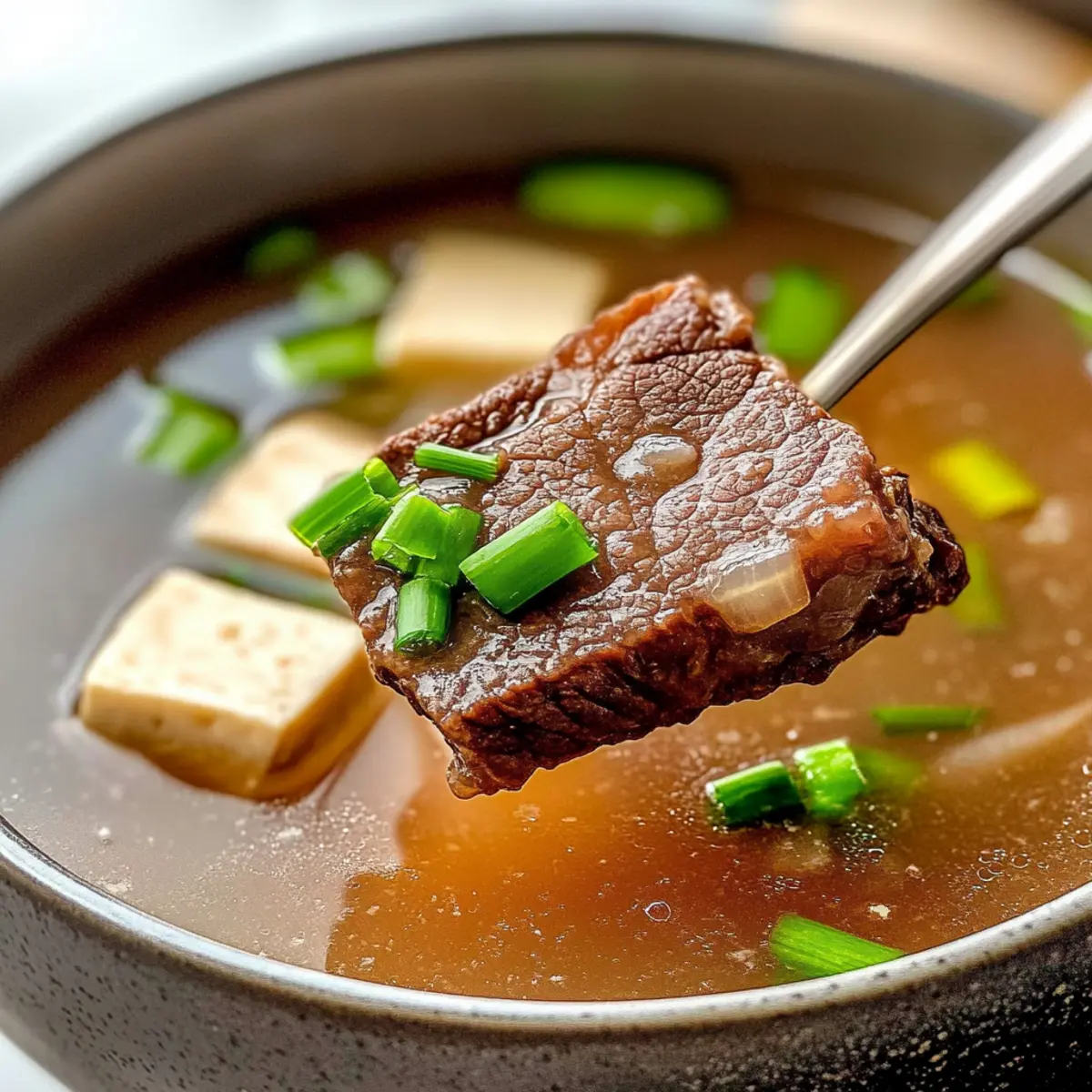
Hearty Korean Winter Soup Recipe FAQs
How do I choose the best beef for this soup?
Absolutely! When selecting beef short ribs, look for well-marbled meat with a deep red color. The marbling ensures that the beef stays tender and juicy during cooking. If short ribs aren’t available, beef shank or oxtail can be great substitutes, providing similar richness to the broth.
What’s the best way to store leftovers?
Very! You can store leftover hearty Korean winter soup in an airtight container in the refrigerator for up to 3 days. Ensure it cools down to room temperature before sealing. For optimal taste, reheat slowly on the stove over medium heat, stirring occasionally. This method helps preserve the soup’s flavor and texture!
Can I freeze this soup, and if so, how?
Absolutely! To freeze your healthy Korean winter soup, allow it to cool completely and then pour it into freezer-safe containers, leaving some space at the top for expansion. You can also freeze in individual portions for easy reheating. The soup can be stored in the freezer for up to 3 months; however, for best flavor, try to use it within 2 months. When ready to enjoy, let it thaw overnight in the refrigerator, and reheat gently in a pot. If it seems too thick, feel free to add a splash of water or broth!
What should I do if the broth is too cloudy?
No worries! If your broth turns out cloudy, it’s likely due to not skimming enough foam while simmering. To clarify, simply return the broth to a gentle boil and skim off any foam or impurities that rise to the surface. This step not only enhances the broth’s clarity but also its overall flavor.
Is this soup safe for my pets or anyone with allergies?
I’m glad you asked! This dish contains ingredients like beef, garlic, and soy sauce, which may not be suitable for pets. Additionally, anyone with allergies to soy or garlic should avoid consuming this soup or seek alternatives. For dietary adjustments, consider using gluten-free soy sauce for those with gluten sensitivities. Always remember to check with your family for any specific allergies before serving!
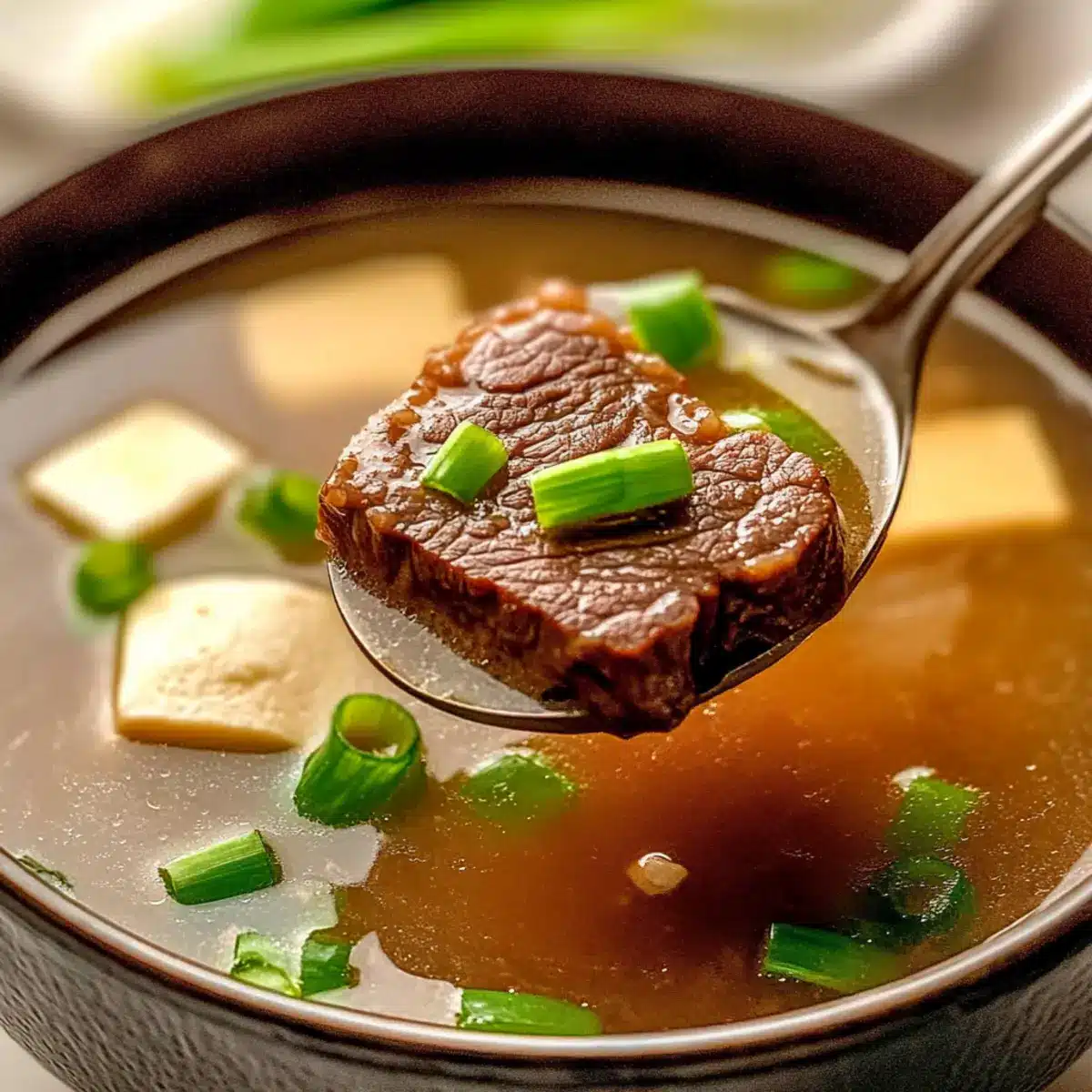
Comforting Korean Winter Soup to Warm Your Soul
Ingredients
Equipment
Method
- Begin by soaking the beef short ribs in cold water for about 1 hour to draw out excess blood.
- Prepare your aromatics by chopping a whole yellow onion and ginger, and garlic.
- In a large pot, combine the soaked ribs with the chopped aromatics and 10 cups of water.
- Bring the mixture to a boil over medium-high heat.
- Skim off the foam that forms on the surface to clarify your broth.
- Reduce heat to medium-low and let the pot simmer uncovered for about 1 hour.
- After simmering, add the radish slices and continue simmering for another 20 minutes.
- Once the radish is tender, season the broth with guk ganjang and sea salt.
- Let the soup rest for about 10 minutes to allow flavors to meld.
- Ladle the soup into bowls, garnishing with freshly chopped green onions and black pepper.
Leave a Reply