
As I stood in my kitchen, the aromas of the bustling streets of Hong Kong danced around me, stirring my cravings for a beloved comfort food: Cantonese Chow Mein. This quick and easy recipe brings the delightful crunch of crispy pan-fried noodles right to your home in under 15 minutes, saving you from yet another takeout menu. Imagine fresh vegetables tossed in a harmonious soy sauce stir-fry capturing the essence of traditional Chinese cuisine. Not only is this dish a delicious crowd-pleaser, but it also allows for endless customizations—add chicken, shrimp, or tofu for a heartier meal! So, why wait for a special occasion? Dive into this scrumptious bowl of goodness; your next family favorite could be just a few steps away. What exciting twist will you add to make it your own?
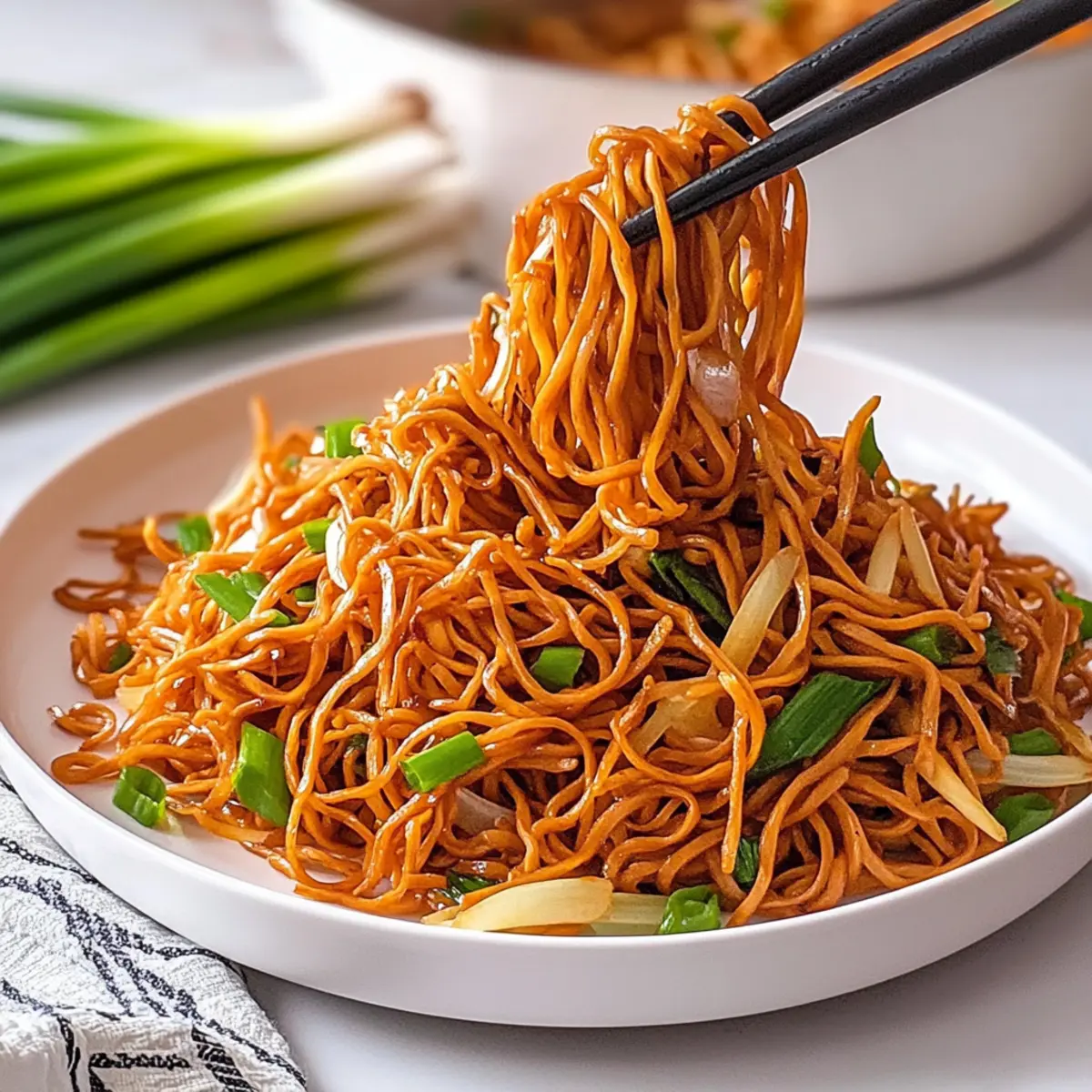
Why is Cantonese Chow Mein a Must-Try?
Quick and Easy: With minimal prep and just 15 minutes required, this recipe transforms your dinner into a speedy culinary adventure.
Crispy Texture: The perfect pan-frying technique ensures the noodles remain delightfully crispy, providing a satisfying crunch with every bite.
Savory Harmony: A blend of dark and regular soy sauces creates a rich umami flavor that enhances the freshness of added vegetables.
Versatile Dish: Customize your chow mein with chicken, shrimp, or your favorite veggies for an unforgettable meal everyone will love. Explore more about Asian-inspired meals to enhance your culinary repertoire!
Crowd-Pleasing: This dish is not just easy to make; it’s also a surefire hit for family dinners or casual gatherings, showcasing the heartwarming essence of homemade comfort food.
Cantonese Chow Mein Ingredients
For the Noodles
• Chow Mein Egg Noodles – Essential for structure and heartiness; use thin, fresh noodles labeled as Hong Kong style for the best results.
For the Vegetables
• Yellow Onion – Adds sweetness and a slight crunch; slice thinly for quicker cooking.
• Green Onions – Provides fresh flavor; sauté the white parts for aroma, while the green tops add vibrant color.
• Bean Sprouts – Contributes freshness and crunch; opt for fresh bean sprouts for optimal taste.
For the Sauce
• Dark Soy Sauce – Gives the dish a rich color and deep flavor; crucial for that classic chow mein taste.
• Regular Soy Sauce – Balances flavors with a lighter note; works perfectly alongside dark soy sauce.
• Oyster Sauce – Introduces a savory depth; vegetarian oyster sauce is a suitable substitute if needed.
• Fish Sauce – Enhances umami depth; optional but recommended for a more authentic flavor.
• Granulated Sugar – Balances the savory flavors; brown sugar can be used for a deeper sweetness.
• Water – Necessary for adjusting the sauce consistency; helps everything meld together.
For Cooking
• Corn Oil – Ideal for frying due to its high smoke point; can be substituted with other neutral oils.
• Sesame Oil – Adds a nutty finish; use sparingly to enhance the overall flavor of the dish.
Step‑by‑Step Instructions for Cantonese Chow Mein
Step 1: Prepare Noodles
Soak the chow mein egg noodles in a pot of boiling water for 30 seconds to 1 minute until they are softened but not mushy. Drain them in a colander, ensuring excess water is removed, and set the noodles aside, ready to be transformed into your flavorful Cantonese Chow Mein.
Step 2: Make Sauce
In a medium mixing bowl, combine dark soy sauce, regular soy sauce, oyster sauce, optional fish sauce, granulated sugar, and water. Stir the mixture well until the sugar completely dissolves. This savory sauce will be the heart of your Cantonese Chow Mein, providing that deliciously rich flavor.
Step 3: Sauté Aromatics
Heat 1 tablespoon of corn oil in a hot wok over medium-high heat. Add the thinly sliced yellow onion and the white parts of the green onions, sautéing them for about 1 minute until fragrant. The onions should be softened and lightly translucent, adding a delightful aroma to the base of your dish; set them aside.
Step 4: Pan-Fry Noodles
In the same hot wok, pour in another tablespoon of corn oil, allowing it to heat until shimmering. Carefully spread the soaked chow mein noodles in a thin layer, cooking them for about 2 minutes until they turn crispy and golden brown. Flip the noodles gently, frying for an additional 2 minutes for even crispiness—this step is vital for that signature texture.
Step 5: Combine Ingredients
Add the sautéed onions, green onion tops, fresh bean sprouts, and the prepared sauce to the crispy noodles. Gently toss and mix all the ingredients together, allowing them to cook for 1 to 2 minutes until the bean sprouts are slightly wilted and the flavors meld. Ensure everything is coated evenly in the luscious sauce.
Step 6: Finish and Serve
Remove the Cantonese Chow Mein from heat once everything is combined and heated through. Drizzle a small amount of sesame oil over the dish, tossing gently to incorporate its nutty flavor. Serve your crispy Cantonese Chow Mein immediately, enjoying the warmth and crunch that makes this dish a delightful family favorite!
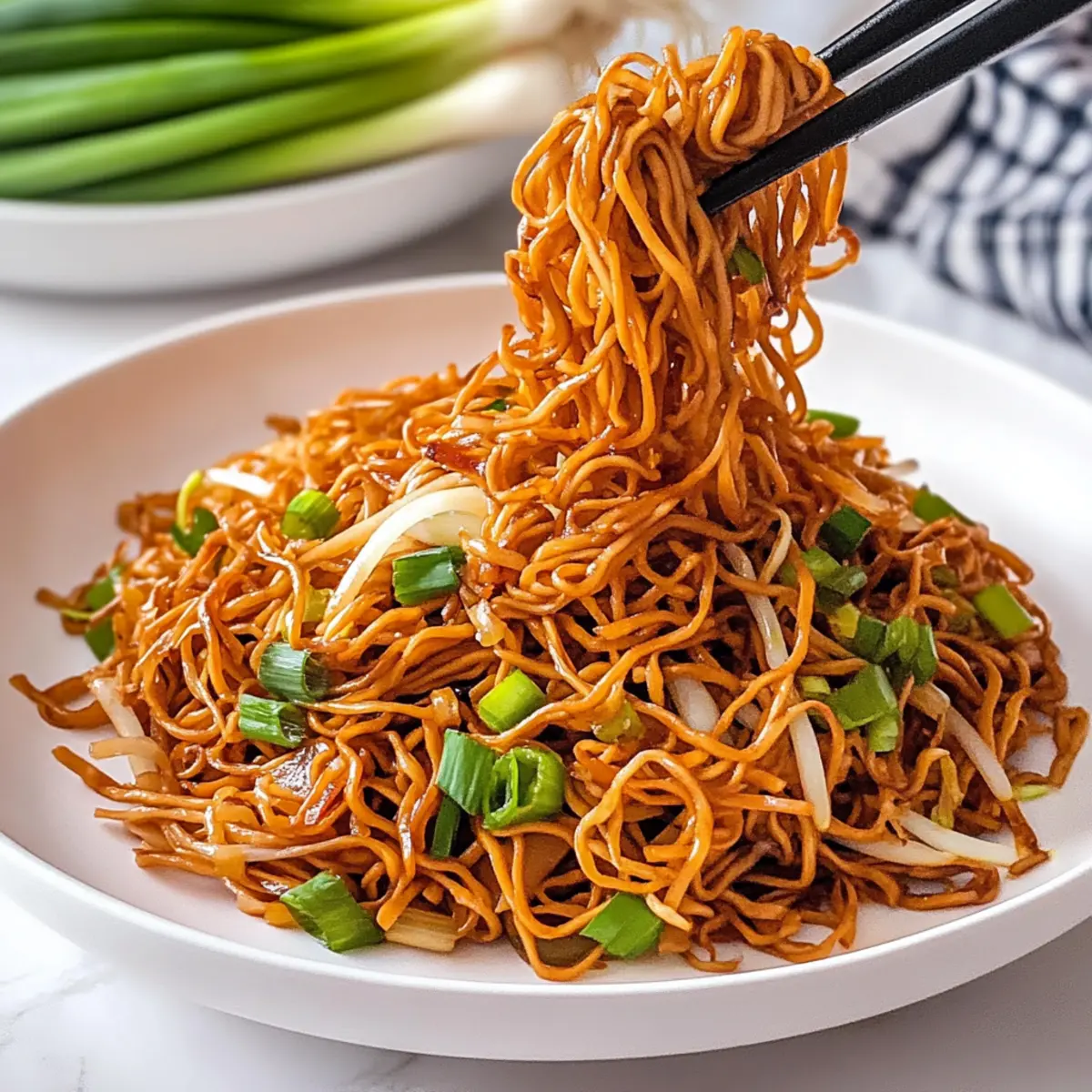
Cantonese Chow Mein Variations & Substitutions
Feel free to get creative with your Cantonese Chow Mein and make it truly yours by trying out these delightful variations!
-
Vegetable Swap: Replace bean sprouts with other fresh veggies like bell peppers, carrots, or snap peas for a colorful twist. Each option brings a unique crunch and flavor that elevates your dish.
-
Protein Boost: Add your choice of protein such as chicken, shrimp, or tofu to transform this dish into a wholesome meal. Simply sauté your chosen protein before adding it to the noodles for a satisfying addition.
-
Dairy-Free: For a plant-based twist, skip the oyster sauce or swap it with vegetarian oyster sauce. You can also add a splash of soy sauce for additional umami without the dairy.
-
Gluten-Free: Use tamari in place of soy sauce and gluten-free noodles for a delectable gluten-free version. You’ll still enjoy the amazing flavors while catering to dietary needs.
-
Noodle Texture: Experiment with different noodle types like rice noodles for a gluten-free option or yakisoba for a chewier texture. Each noodle brings a fresh perspective to your chow mein creation.
-
Spicy Kick: Add a touch of heat with red pepper flakes or sriracha mixed into your sauce. Just a little spice can take your chow mein to a whole new level of flavor!
-
Sweetness Adjust: If you love a sweeter flavor profile, swap granulated sugar with brown sugar or honey. This can enhance the richness of your dish and create a sweet-savory balance.
-
Herb Infusion: Toss in fresh herbs like cilantro or basil towards the end for a vibrant taste. These fragrant herbs will brighten up your chow mein and add a restaurant-quality touch.
Explore endless customizations to suit your taste and preferences! For more insights on Asian-inspired meals, check out this guide on flavorful veggie stir-fries that will inspire your culinary adventures.
What to Serve with Quick and Easy Cantonese Chow Mein
There’s nothing quite like a spread of delicious sides to elevate your Cantonese Chow Mein meal experience!
-
Egg Rolls: Crispy on the outside and filled with savory goodness, egg rolls complement the freshness of chow mein with their crunch and flavor.
-
Hot and Sour Soup: This tangy and spicy soup provides a warming contrast to the crisp noodles, making it a soul-soothing addition to your meal.
-
Steamed Bok Choy: Light and leafy, bok choy adds a fresh pop to your plate, balancing out the savory richness of the stir-fried noodles perfectly.
-
Sweet and Sour Chicken: This dish offers a fruity sweetness that harmonizes beautifully with the umami of chow mein and adds a delightful twist for meat lovers.
-
Fried Rice: Pairing chow mein with fried rice creates a delightful textural contrast, making each bite exciting with a combination of flavors.
-
Chili Garlic Oil: Drizzling this spicy oil over your chow mein turns up the heat a notch, enhancing the vibrant flavors and creating an unforgettable experience.
-
Green Tea: A calming drink like green tea refreshes your palate and brings out the dish’s natural flavors, making every sip and bite deliciously harmonious.
-
Mango Pudding: For dessert, this creamy, tropical treat adds a refreshing sweetness that contrasts with the savory chow mein, leaving you thoroughly satisfied.
Expert Tips for Cantonese Chow Mein
-
Noodle Choice: Use thin, fresh Hong Kong-style chow mein noodles for the best results; dried noodles can lead to a less satisfying texture.
-
Hot Wok: Ensure your wok is hot before adding the noodles; this helps achieve the crispy texture that is the hallmark of great Cantonese chow mein.
-
Don’t Overcrowd: Fry noodles in batches if necessary; overcrowding the pan can lead to steaming instead of frying, preventing that wonderful crunch.
-
Taste as You Go: Adjust the sauce seasoning during mixing; balancing flavors is key to replicating that authentic takeaway taste at home.
-
Serve Fresh: Enjoy your chow mein immediately after cooking; reheating might soften the noodles, losing their appealing crispiness we all love.
-
Vegetable Swaps: Don’t be afraid to get creative! Feel free to substitute bean sprouts with other veggies like bell peppers or snap peas for an added twist.
Make Ahead Options
Preparing Cantonese Chow Mein in advance is a fantastic way to save time during busy weeknights! You can soak the chow mein noodles and store them in an airtight container in the refrigerator for up to 24 hours. Additionally, mix the sauce ingredients and keep it refrigerated for up to 3 days to develop the flavors. For the best quality, keep the sautéed onions and vegetables separate until you’re ready to cook. When you’re ready to serve, simply pan-fry the prepped noodles, add the vegetables and sauce, and stir until everything is heated through. This method ensures your chow mein stays just as delicious and crispy, making dinner a breeze!
How to Store and Freeze Cantonese Chow Mein
-
Fridge: Store leftover Cantonese Chow Mein in an airtight container for up to 3 days. Reheat it in a pan or microwave until thoroughly warmed, adding a splash of water to prevent dryness.
-
Freezer: You can freeze chow mein for up to 3 months. Place it in a freezer-safe container, ensuring it’s airtight. Defrost overnight in the refrigerator before reheating.
-
Reheating: For the best texture, reheat frozen chow mein in a hot pan, adding a little oil to help regain its crunch.
-
Cooling: Let the chow mein cool to room temperature before storing; this keeps it fresher and helps prevent condensation inside the container.
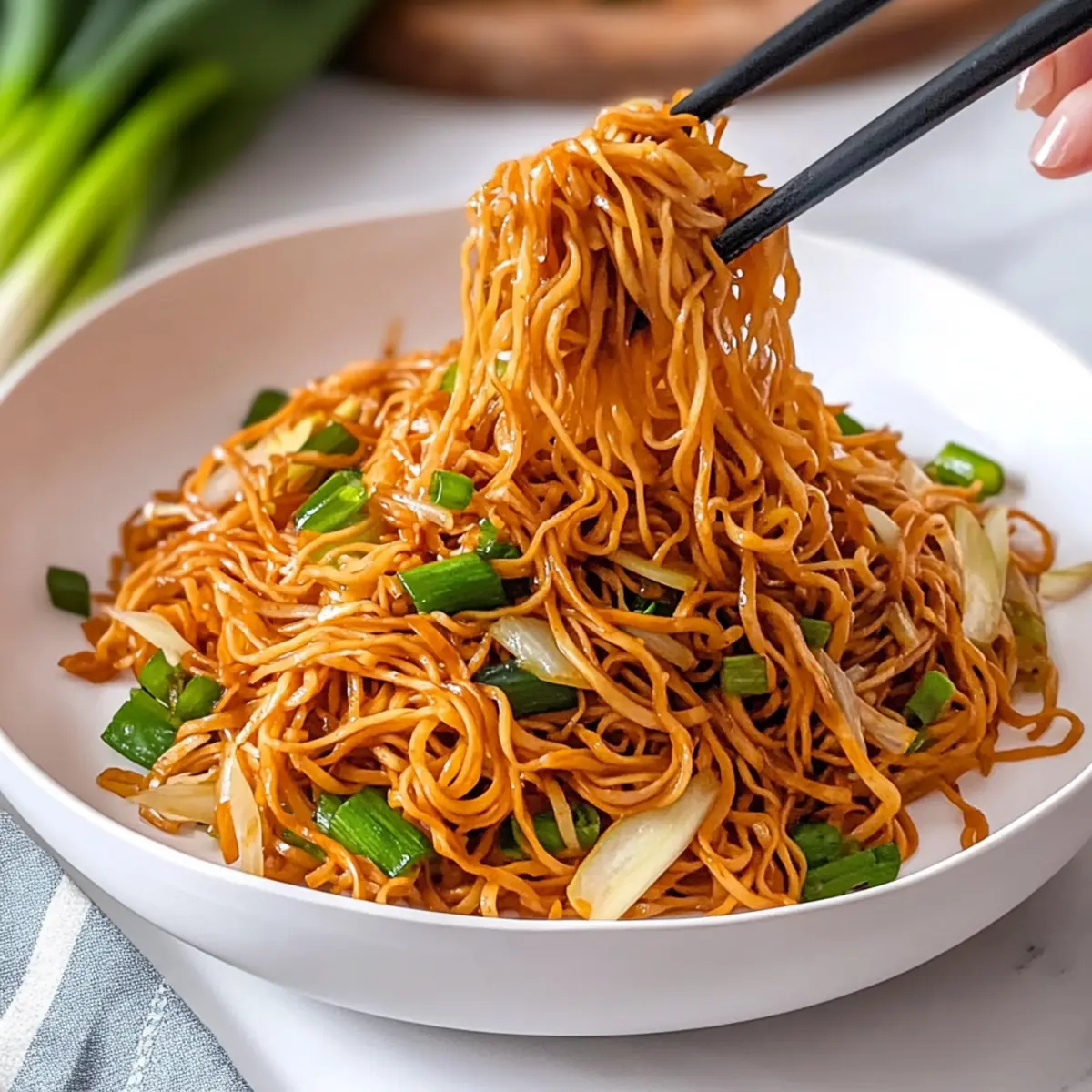
Cantonese Chow Mein Recipe FAQs
What type of chow mein noodles should I use?
Absolutely! For the best results, use thin, fresh chow mein egg noodles labeled as Hong Kong style. They offer the perfect texture—crispy on the outside while being chewy on the inside. Dried noodles can work, but they won’t yield the same delightful crunch you’re aiming for.
How should I store leftover Cantonese Chow Mein?
Very simple! Place any leftover chow mein in an airtight container and store it in the refrigerator for up to 3 days. When ready to enjoy again, you can reheat it in a pan with a splash of water to keep it from drying out.
Can I freeze Cantonese Chow Mein?
Absolutely! To freeze your chow mein, allow it to cool to room temperature first. Then, place it in a freezer-safe container, making sure it’s airtight. It can be frozen for up to 3 months. When you’re ready to eat it, just defrost overnight in the fridge, then reheat it in a hot pan for the best texture.
What should I do if my noodles are mushy?
Very often, mushy noodles are a result of over-soaking them. I recommend soaking the chow mein noodles for just 30 seconds to 1 minute in boiling water. Drain them well and remember that they will continue to cook slightly in the hot wok, so don’t worry if they seem a bit undercooked at first; they’ll firm up with that perfect crispy finish when pan-fried.
Is Cantonese Chow Mein suitable for special diets?
The beauty of this dish lies in its versatility! If you have dietary restrictions, like gluten intolerance, simply swap regular soy sauce with tamari. For vegetarian options, replace the oyster sauce with a vegetarian oyster sauce. It’s also very easy to include protein by adding cooked chicken, shrimp, or tofu, allowing you to cater to various diets.
Can I customize my Cantonese Chow Mein?
Oh, absolutely! Chow mein is a wonderfully adaptable dish. You can easily swap in your favorite vegetables, such as bell peppers or carrots, and add proteins like chicken, shrimp, or tofu for a heartier meal. Feel free to experiment with different sauces or spice levels too—make it your own!
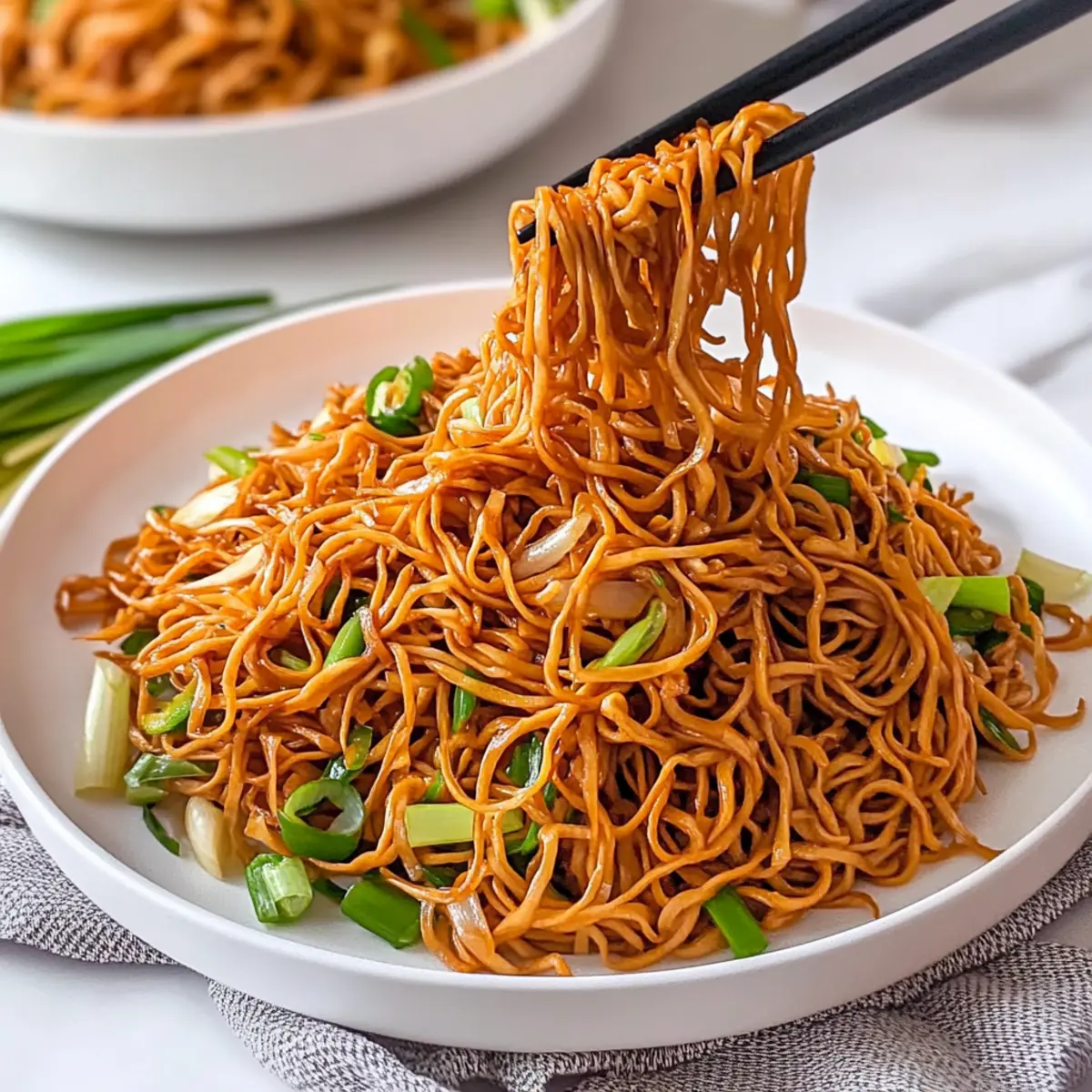
Crispy Cantonese Chow Mein in 15 Minutes Flat
Ingredients
Equipment
Method
- Soak the chow mein egg noodles in boiling water for 30 seconds to 1 minute until softened. Drain and set aside.
- In a mixing bowl, combine dark soy sauce, regular soy sauce, oyster sauce, optional fish sauce, granulated sugar, and water. Stir until sugar dissolves.
- Heat 1 tablespoon of corn oil in a wok. Sauté yellow onion and white parts of green onions for about 1 minute until fragrant.
- In the same wok, add another tablespoon of corn oil. Spread soaked noodles and cook for about 2 minutes until crispy. Flip and fry for an additional 2 minutes.
- Add sautéed onions, green onion tops, bean sprouts, and sauce to noodles. Toss and cook for 1 to 2 minutes until bean sprouts are slightly wilted.
- Remove from heat, drizzle with sesame oil, and toss gently. Serve immediately.
Leave a Reply