
The aroma of sweet and tangy glaze bubbling away on the stove instantly transported me back to cozy family dinners. Nothing brings the warmth of home-cooked comfort like a Baked Teriyaki Salmon Recipe, especially one that comes together in a snap. With a simple homemade teriyaki glaze, this easy dish highlights the rich, luscious flavors of salmon and makes weeknight cooking a breeze. It quickly transforms even the busiest nights into gourmet experiences without sacrificing precious time. Plus, this recipe is a hit with everyone—even those who usually shy away from fish! Are you ready to impress your family with a delightful, fuss-free dinner that’s sure to become a regular on the rotation? Let’s dive into the magic of teriyaki!
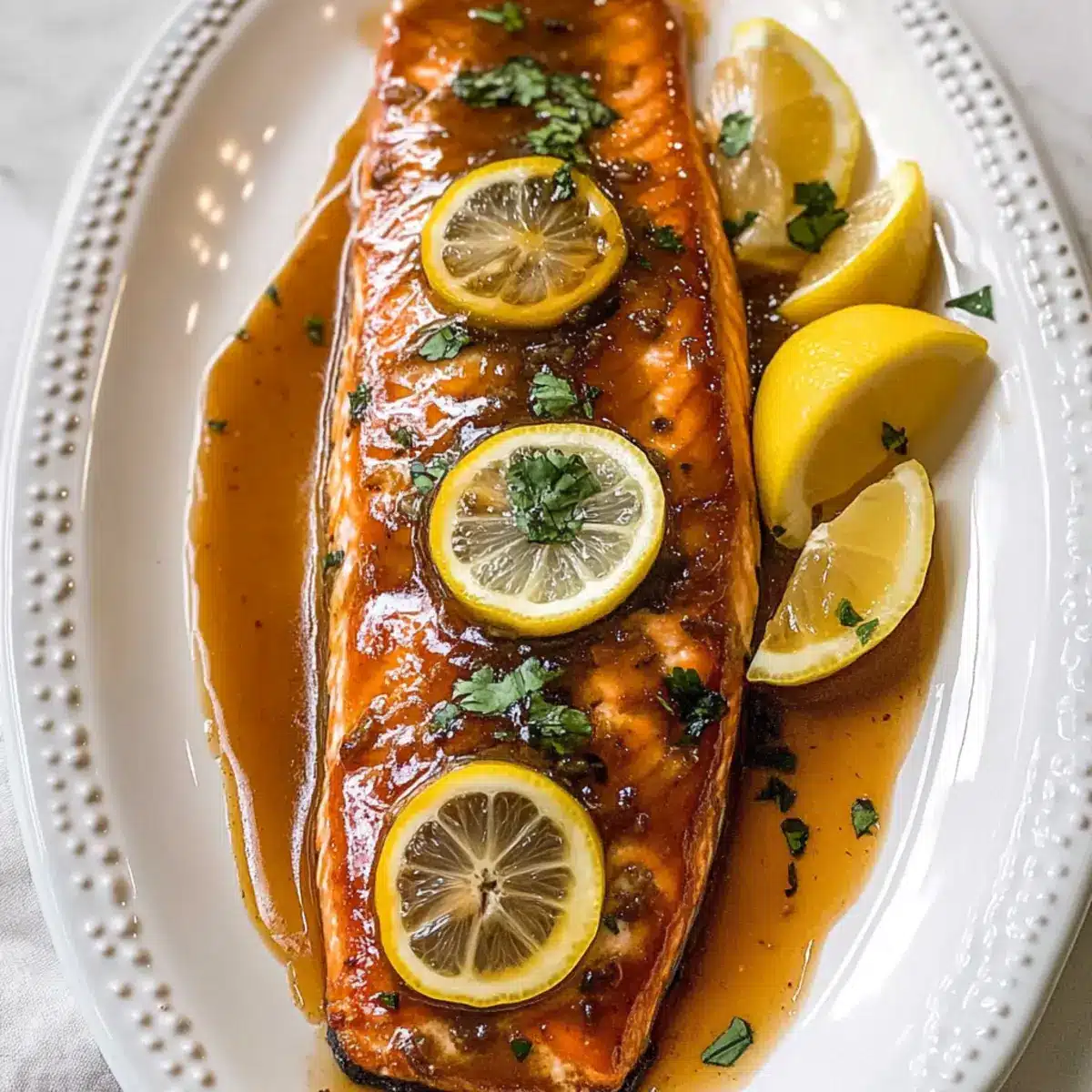
Why is this Baked Teriyaki Salmon a Must-Try?
Simplicity makes this dish approachable for all skill levels; you only need a few ingredients! Flavor-packed with a sweet-tangy homemade glaze, it offers an unforgettable taste experience. Quick preparation means you can serve it on busy weeknights without fuss, while crowd-pleasing qualities make it perfect for family dinners. Pair it with coconut rice or a fresh green salad for a complete meal, just like our delicious Honey Glazed Salmon recipe! Versatility allows you to customize the glaze or swap in different salmon types to suit your taste.
Baked Teriyaki Salmon Ingredients
For the Salmon
• Salmon Fillet – The star of the dish, choose about 1.3 pounds of any salmon type (like sockeye or Atlantic) for that rich flavor.
For the Teriyaki Glaze
• Brown Sugar – Provides sweetness; feel free to substitute with coconut sugar for a lower glycemic option.
• Soy Sauce – Adds saltiness and umami flavor; opt for tamari for a gluten-free version.
• Honey – Sweetens the glaze; maple syrup works as a great vegan substitute.
• Water – Helps to thin the glaze; no substitutions necessary here.
• Garlic – Freshly minced garlic elevates the dish; use garlic powder if you’re short on time.
• Pepper – Freshly ground pepper adds the right seasoning to taste.
• Cornstarch + Cold Water – Thickens the teriyaki sauce nicely; arrowroot powder is a good alternative.
For Serving
• Lemon Wedges – A squeeze of lemon brightens the dish and balances out the sweetness of the glaze.
This Baked Teriyaki Salmon Recipe is all about uncomplicated cooking while delivering maximum flavor right to your family table!
Step‑by‑Step Instructions for Baked Teriyaki Salmon Recipe
Step 1: Preheat the Oven
Begin by preheating your oven to 400°F (200°C). While the oven warms up, take a baking sheet and line it with aluminum foil for easy cleaning later. This will not only help the salmon cook evenly but also ensure that the glaze doesn’t stick to the pan.
Step 2: Prepare the Salmon
Once the oven is ready, place the salmon fillet on the prepared baking sheet, ensuring it’s skin-side down for optimal cooking. This positioning allows the skin to crisp up while keeping the salmon moist. Be sure the fillet is centered on the sheet to promote even baking.
Step 3: Make the Teriyaki Glaze
In a small saucepan set over medium-high heat, combine the brown sugar, soy sauce, honey, water, minced garlic, and freshly ground pepper. Whisk these ingredients together and let them simmer for about 2-3 minutes, or until the sugar fully dissolves and the mixture begins to bubble gently, releasing a fragrant aroma.
Step 4: Thicken the Sauce
While the glaze is simmering, mix the cornstarch and cold water in a small bowl until smooth. Once the initial glaze has simmered, slowly add the cornstarch mixture to the saucepan, whisking continuously for about 30 seconds. You’ll notice the glaze thickening; when it reaches a syrupy consistency, remove it from the heat.
Step 5: Glaze the Salmon
With your thickened teriyaki glaze ready, pour it generously over the salmon fillet, using a brush or the back of a spoon to ensure an even coating. This layer of glaze will caramelize beautifully as it bakes, infusing the fish with a delightful sweet-tangy flavor.
Step 6: Bake the Salmon
Slide the baking sheet into your preheated oven and bake the salmon for 12-20 minutes. The baking time varies; check the fish at 12 minutes if the fillet is under an inch thick. It’s done when the salmon flakes easily with a fork and appears opaque in color.
Step 7: Serve with Lemon
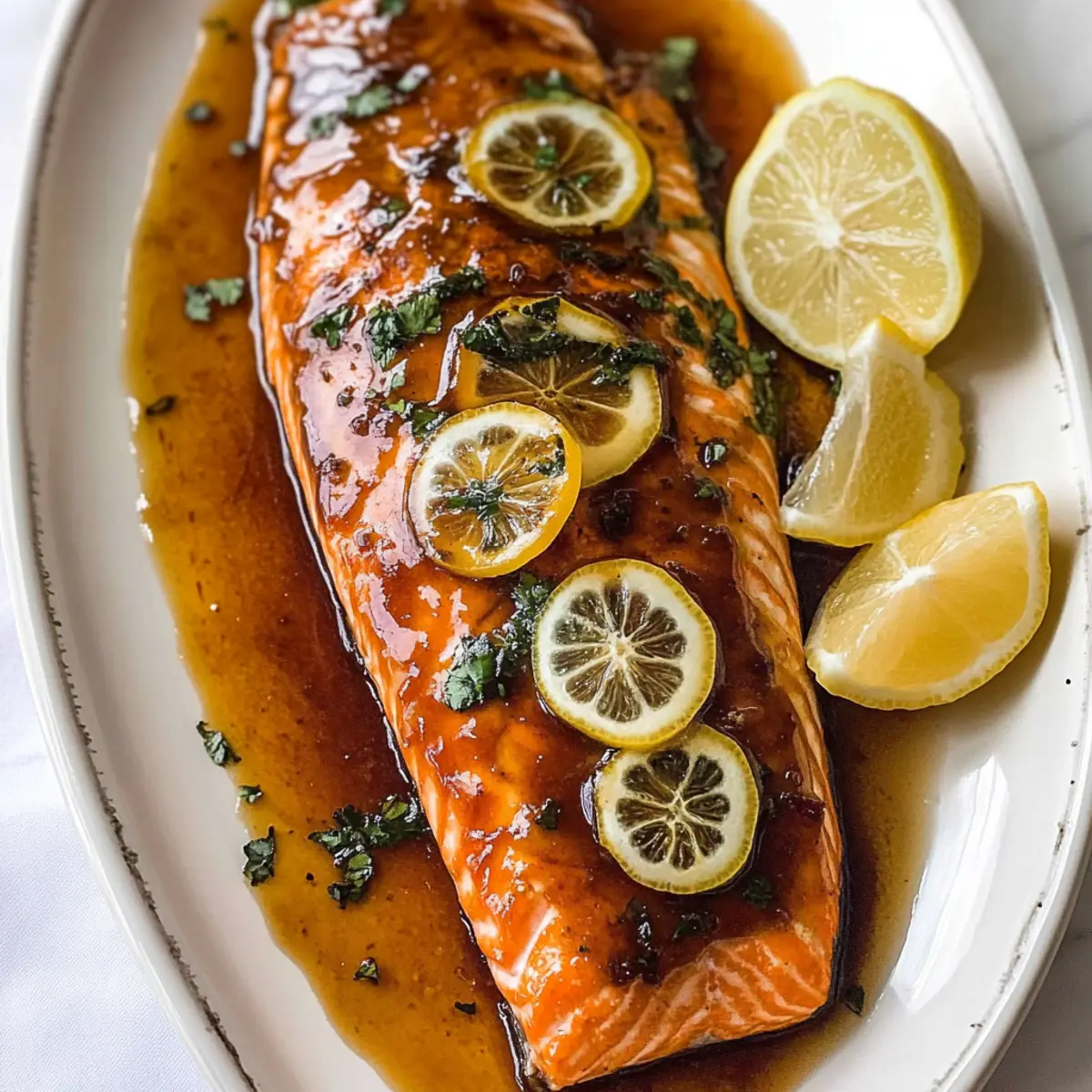
After baking, remove the salmon from the oven and let it cool for a minute. Serve it immediately alongside fresh lemon wedges, which you can squeeze over the fish for added brightness. The acidity will enhance the flavors of your Baked Teriyaki Salmon, making each bite truly enjoyable!
Make Ahead Options
Baked Teriyaki Salmon is a fantastic option for meal prep! You can prepare the homemade teriyaki glaze up to 3 days in advance and store it in an airtight container in the refrigerator. This allows the flavors to meld beautifully while saving you time on busy weeknights. Additionally, the salmon can be seasoned and glazed up to 24 hours ahead of cooking. Simply cover it tightly with plastic wrap and refrigerate to keep it fresh. When you’re ready to serve, bake the salmon directly from the fridge without thawing, adding an extra minute or two to the cooking time if needed. With these make-ahead tips, you’ll enjoy restaurant-quality results with minimal effort!
What to Serve with Baked Teriyaki Salmon?
Create the perfect dining experience by pairing flavors and textures that balance beautifully with this delightful dish.
-
Coconut Rice: Creamy and lightly sweet, coconut rice complements the teriyaki glaze and adds a tropical twist, turning your meal into an escape to paradise.
-
Fresh Green Salad: A crisp salad with mixed greens, cucumber, and a zesty vinaigrette brings freshness and crunch, creating a delightful contrast against the tender, glazed salmon.
-
Sesame Roasted Asparagus: The nutty flavor and slight crunch of sesame-roasted asparagus enhance the meal’s elegance while adding a vibrant green touch to your plate.
-
Stir-Fried Vegetables: A colorful mix of bell peppers, carrots, and snap peas stir-fried in garlic offers a healthy side with crunchy textures and bright colors, perfectly balancing the dish.
-
Miso Soup: Warm and savory, miso soup adds a comforting element, complementing the salmon without overpowering its delicate flavors.
-
Sushi Rice Balls: Fun and interactive, sushi rice balls, lightly seasoned with rice vinegar, provide chewing satisfaction, balancing sweetness with savory elements in a playful manner.
-
Ginger Lemonade: A refreshing ginger lemonade serves as a delightful drink pairing, its zingy notes enhancing the sweet-tangy profile of the teriyaki salmon beautifully.
-
Chocolate Mousse: For dessert, a rich chocolate mousse offers a luxurious balance to the meal—its creamy texture and indulgent flavor are the perfect finale after the main course.
Expert Tips for Baked Teriyaki Salmon
-
Check for Doneness: Ensure the salmon is cooked to perfection by checking at 12 minutes for fillets under 1 inch thick to avoid dryness.
-
Adjust Sweetness: If the glaze tastes too sweet initially, add a squeeze of lemon juice to balance the flavors in your Baked Teriyaki Salmon.
-
Picky Eaters Trick: The sweet glaze is perfect for enticing those who typically shy away from fish; it masks the fishy flavor beautifully!
-
Don’t Overcook: Salmon continues cooking after it’s removed from the oven, so take it out when it flakes easily with a fork.
-
Customize Your Glaze: Experiment by adding grated ginger to the teriyaki glaze for an extra zing, making the dish even more flavorful.
How to Store and Freeze Baked Teriyaki Salmon
Fridge: Store leftovers in an airtight container for up to 2 days. Gently reheat in the microwave on low power to avoid drying out.
Freezer: Wrap the cooled salmon tightly in plastic wrap, then place it in a freezer bag for up to 3 months. Thaw overnight in the fridge before reheating.
Reheating: When ready to enjoy, reheat in the oven at 350°F (175°C) until warmed through, about 10-15 minutes to maintain moisture.
Serving Tip: Pair with fresh lemon wedges after reheating to enhance the flavors of your Baked Teriyaki Salmon recipe.
Baked Teriyaki Salmon Recipe Variations
Feel free to experiment and personalize this recipe for an even more delightful experience!
-
Dairy-Free: Omit any butter or cream from sauces to keep it light and healthy. This dish shines on its own without dairy indulgences!
-
Add Ginger: Stir in some grated ginger into the teriyaki glaze for an extra kick of flavor. It adds a vibrant warmth that works beautifully with salmon.
-
Citrus Twist: Incorporate orange juice or zest into the glaze to complement the sweetness of the honey and brown sugar for a refreshing citrus flair.
-
Spicy Kick: For a heat booster, mix in a teaspoon of sriracha or red pepper flakes into the sauce. It’s perfect for those who love a little spice in their life!
-
Herb Infusion: Add fresh herbs like basil or cilantro as a garnish before serving. They bring an aromatic freshness and elevate the dish visually.
-
Healthy Alternative: Swap brown sugar for coconut sugar to make it a lower glycemic option. Your taste buds won’t even notice the difference, but your body might thank you!
-
Sweet Potato Side: Serve with roasted sweet potatoes for a comforting side that complements the teriyaki salmon wonderfully; sweet and savory pairs perfectly.
-
Serving Suggestions: Pair this with a refreshing green salad or delicious coconut rice to add texture and flavor balance to your meal, just like with our Baked Salmon Tacos or Sweet Spicy Baked Cauliflower.
Feel inspired? Let these variations spark your creativity in the kitchen!
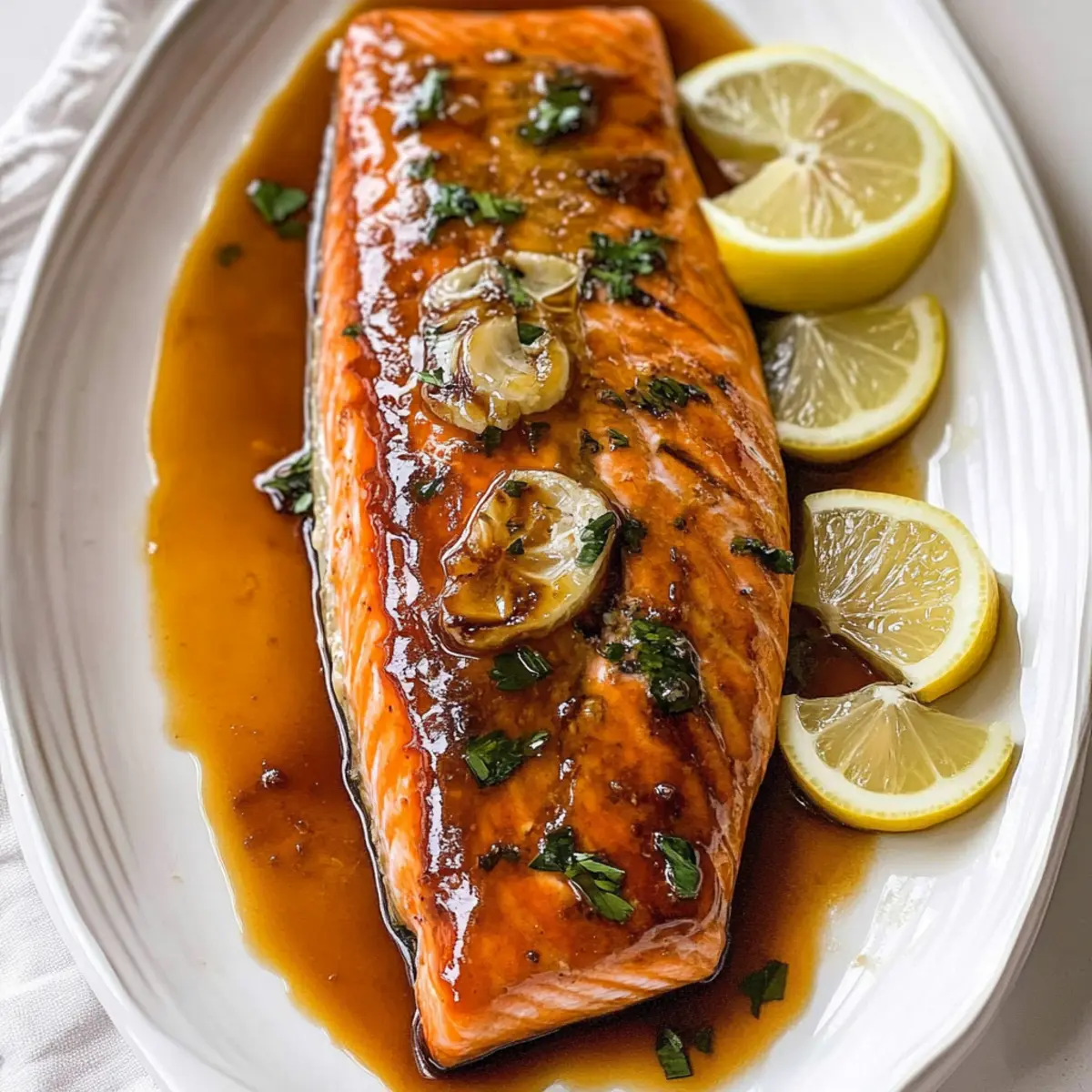
Baked Teriyaki Salmon Recipe FAQs
What type of salmon is best for this recipe?
Absolutely! The great thing about this Baked Teriyaki Salmon Recipe is its versatility. You can use any type of salmon fillet, such as sockeye, Atlantic, or king salmon. Each type will bring its unique flavor and richness to the dish, so feel free to choose your favorite!
How do I store leftovers?
For sure! Store any leftover salmon in an airtight container in the refrigerator for up to 2 days. To reheat, gently warm it in the microwave on low power to avoid drying out. If you prefer to keep it in the oven, cover it with foil and heat at 350°F (175°C) for about 10-15 minutes.
Can I freeze Baked Teriyaki Salmon?
Very! To freeze, wrap the cooled salmon tightly in plastic wrap and place it in a freezer bag. It will stay fresh for up to 3 months. When you’re ready to enjoy it, simply thaw it overnight in the fridge, then reheat as described earlier.
What should I do if the teriyaki glaze is too sweet?
No worries! If you find the glaze is too sweet for your taste, simply add a squeeze of fresh lemon juice. This will cut through the sweetness and provide a delightful balance of flavors that complements the salmon beautifully.
Can my pet have salmon cooked this way?
While salmon can be healthy for pets in small amounts, avoid serving the teriyaki glaze, as it contains ingredients like soy sauce and honey that may not be suitable for animals. Cook plain salmon without any seasoning and check with your veterinarian for any specific dietary concerns.
How can I adjust the recipe for a larger group?
Absolutely! If you’re cooking for a crowd, you can easily scale up this Baked Teriyaki Salmon Recipe. Simply use a larger fillet or multiple smaller ones, making sure to adjust the cooking time slightly based on their combined thickness. The glaze can be multiplied accordingly, ensuring everyone gets that mouthwatering flavor!
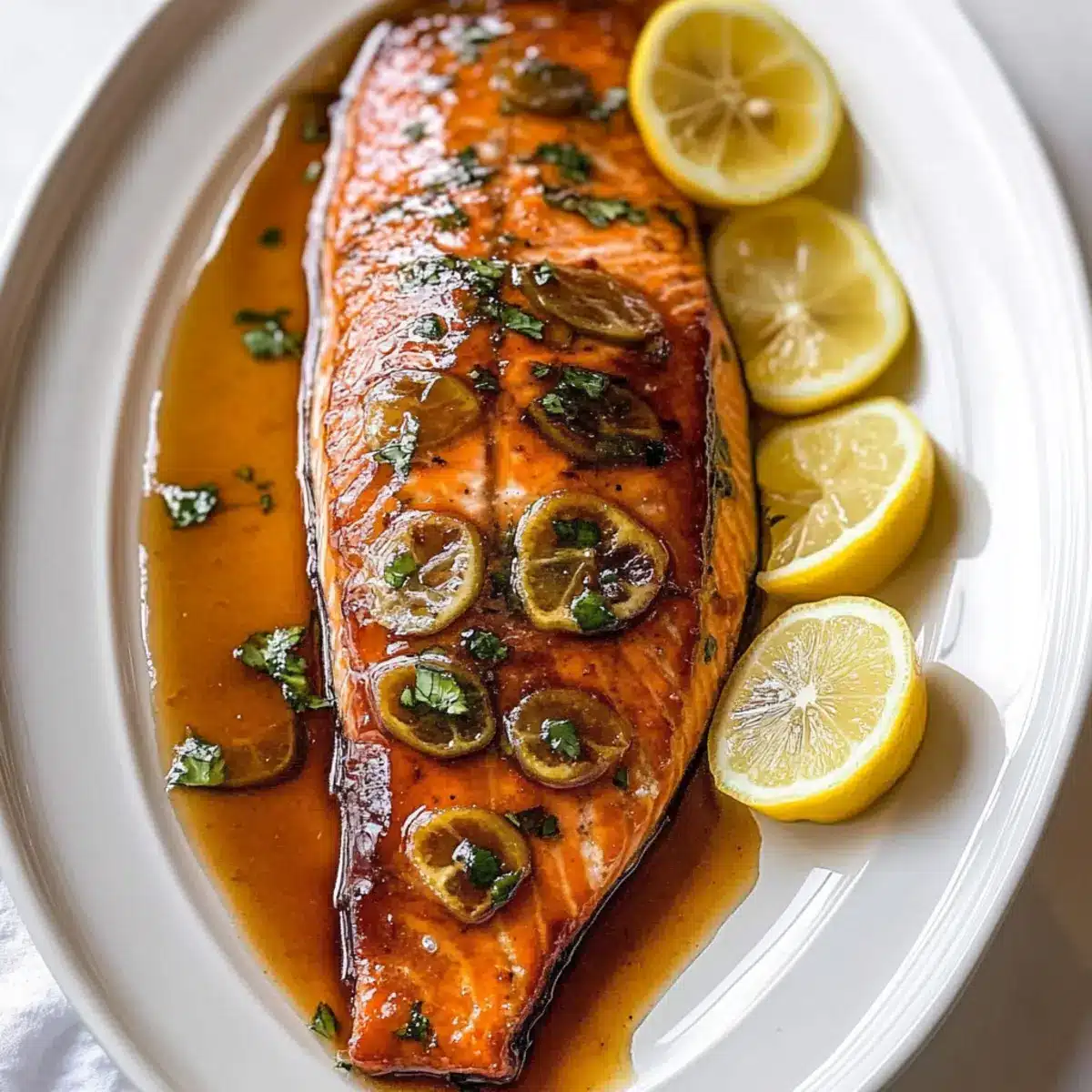
Baked Teriyaki Salmon Recipe: Easy, Flavor-Packed Delight
Ingredients
Equipment
Method
- Preheat your oven to 400°F (200°C) and line a baking sheet with aluminum foil.
- Place the salmon fillet on the baking sheet, skin-side down.
- In a saucepan, combine brown sugar, soy sauce, honey, water, minced garlic, and pepper; simmer for 2-3 minutes.
- In a bowl, mix cornstarch with cold water until smooth, then add to the glaze, whisking continuously for 30 seconds.
- Pour the thickened teriyaki glaze over the salmon, ensuring an even coating.
- Bake the salmon for 12-20 minutes, checking for doneness at 12 minutes for fillets under 1 inch thick.
- Serve with lemon wedges after baking.
Leave a Reply