
“Have you ever found yourself craving something both comforting and indulgent, yet simple enough to whip up on a weeknight? Enter Jjajangmyeon, the ultimate Korean black bean noodles that strike the perfect balance between savory and satisfying. This dish combines chewy noodles with a rich black bean sauce, tender pork, and a medley of vibrant vegetables, allowing you to escape the mundane routine of fast food and embrace the joy of homemade meals. Not only is it a high-protein delight that’s dairy-free, but it can also be prepared in under an hour, making it a fantastic weeknight option. So, are you ready to invigorate your dinner table with this delightful twist on Korean cuisine?”
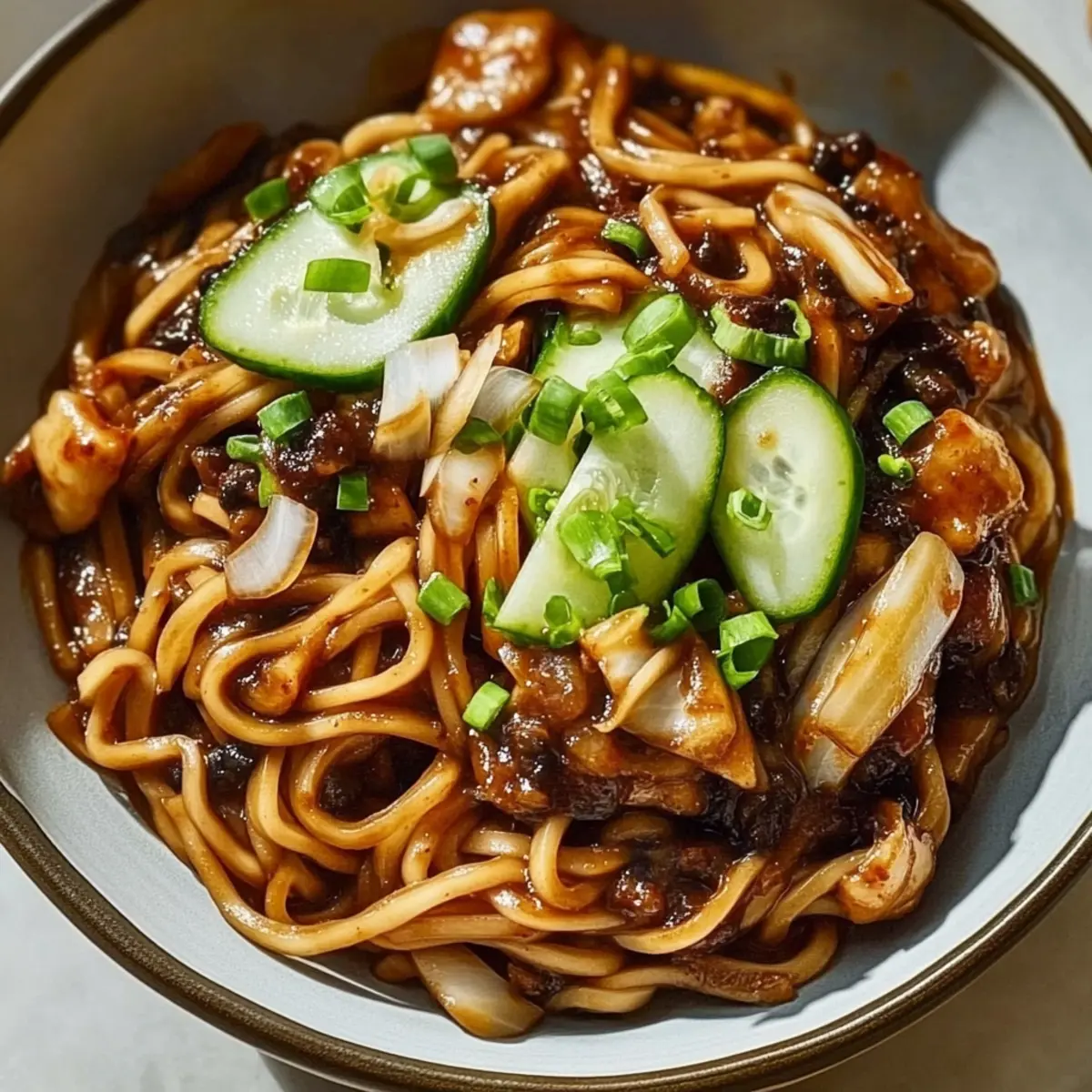
Why are Korean Black Bean Noodles special?
Savory Comfort: Jjajangmyeon is not just a meal; it’s an experience that cultivates a cozy atmosphere at dinner. Quick Preparation: In under an hour, you can have a delicious dish that rivals your favorite takeout. Customizable Ingredients: Feel free to swap pork for chicken or tofu, and mix in colorful veggies like zucchini or bell peppers. Flavor Explosion: The combination of rich black bean paste and fresh ingredients creates an umami-packed sauce you can’t resist. Perfect for Weeknights: Easy to whip up, it’s the ideal antidote to fast food fatigue. Whether paired with pickled yellow radish or enjoyed alongside a refreshing soup, this dish promises satisfaction in every bite!
Korean Black Bean Noodles Ingredients
• Dive into delightful flavors with these essential components!
For the Sauce
- Korean Black Bean Paste (Chunjang/Jjajang) – The heart of the dish, adding rich color and a unique flavor; don’t skip it for an authentic taste of Korean black bean noodles.
- Granulated Sugar – Helps balance the savory notes of the sauce, enhancing the overall flavor profile.
- Oyster Sauce – Introduces umami depth and slight sweetness; feel free to use mushroom sauce for a vegetarian twist.
- Soy Sauce – A staple seasoning; opt for low-sodium varieties for a healthier option.
- Chicken Bouillon Powder – Elevates the flavor; vegetable broth can work well for a vegetarian alternative.
- Water – Essential for simmering and achieving the desired sauce consistency.
For the Noodles
- Fresh Wheat Noodles or Dried Noodles – The foundation of jjajangmyeon; ramen or udon noodles make great substitutes if needed.
For the Vegetables
- Green Cabbage – Contributes mild sweetness and crunch; swap with napa cabbage or savoy cabbage if you prefer.
- Yellow Onions – Add sweetness and richness; shallots can serve as a suitable replacement for a different flavor.
- Scallions – Infuse freshness into the dish; chives are an excellent substitute when scallions are not on hand.
- Persian Cucumber – Adds a refreshing crunch; can be replaced with pickled radish for an extra zing.
For the Thickening
- Potato Starch or Cornstarch – Essential for achieving that luscious, thick sauce; both work equally well.
For Extra Flavor
- Ginger – Introduces warmth to the sauce; omit if you prefer a milder taste.
- Apple Cider Vinegar – Adds a nice acidity; lemon juice can be a great alternative in a pinch.
Now that you’re equipped with these Korean black bean noodles ingredients, let’s cook up some comfort and bring the delightful flavors of Jjajangmyeon into your kitchen!
Step‑by‑Step Instructions for Korean Black Bean Noodles – Jjajangmyeon
Step 1: Prepare the Ingredients
Begin by preparing your ingredients for the Korean Black Bean Noodles. Chop about 2 cups of green cabbage, dice 1 large yellow onion, and finely slice 4 scallions, separating the white parts from the green. This will ensure that everything is ready to go when you start cooking, which typically speeds up the process and minimizes stress in the kitchen.
Step 2: Sauté the Vegetables
Heat 2 tablespoons of vegetable oil in a large pot or wok over medium heat. Add the chopped cabbage and diced onion to the hot oil, sautéing them for about 4 to 6 minutes. Stir frequently, cooking until the vegetables turn translucent and slightly browned, which enhances their natural sweetness and flavor for the jjajangmyeon sauce.
Step 3: Cook the Pork and Ginger
Next, introduce 1 cup of diced pork belly or pork loin to the pan. Add 1 tablespoon of finely chopped ginger at this point. Cook the mixture for an additional 3 to 5 minutes, stirring constantly until the pork is no longer pink. This step is crucial as it enriches the dish with savory flavors, creating a base for your sauce.
Step 4: Add Black Bean Paste
Create a well in the center of the pot and add 4 tablespoons of Korean black bean paste (chunjang). Stir-fry this paste for about 3 to 5 minutes until it becomes glossy and well-coated with the other ingredients. This step deepens the flavor of the sauce, giving the Korean Black Bean Noodles that distinctive taste.
Step 5: Mix in Sauces and Seasonings
Incorporate 1 tablespoon of granulated sugar, 2 tablespoons of oyster sauce, 2 tablespoons of soy sauce, and 1 tablespoon of chicken bouillon powder into the mixture. Stir briefly for about 1 to 2 minutes. This not only enhances the richness of your black bean sauce but also balances its savory notes, creating a harmonious flavor profile.
Step 6: Simmer the Sauce
Pour in 1 cup of water and bring the mixture to a gentle simmer. Reduce the heat slightly and let the sauce cook for approximately 8 to 10 minutes, allowing it to thicken and deepen in flavor. You should see small bubbles rising, indicating that your sauce is on the right track for the perfect jjajangmyeon.
Step 7: Thicken the Sauce
In a small bowl, combine 2 tablespoons of potato starch or cornstarch with 1/4 cup of cold water, mixing until smooth. Slowly pour this mixture into the simmering sauce, stirring constantly. Cook for an additional 2 to 3 minutes until the sauce is thickened to your liking, ensuring it will coat the noodles perfectly.
Step 8: Cook the Noodles
While the sauce is thickening, bring a separate pot of water to a boil. Cook your fresh wheat noodles or dried noodles according to package instructions, usually around 4 to 7 minutes for fresh noodles. Once cooked, drain and rinse them under cold water to stop the cooking process, ensuring a firm texture for your Korean Black Bean Noodles.
Step 9: Serve
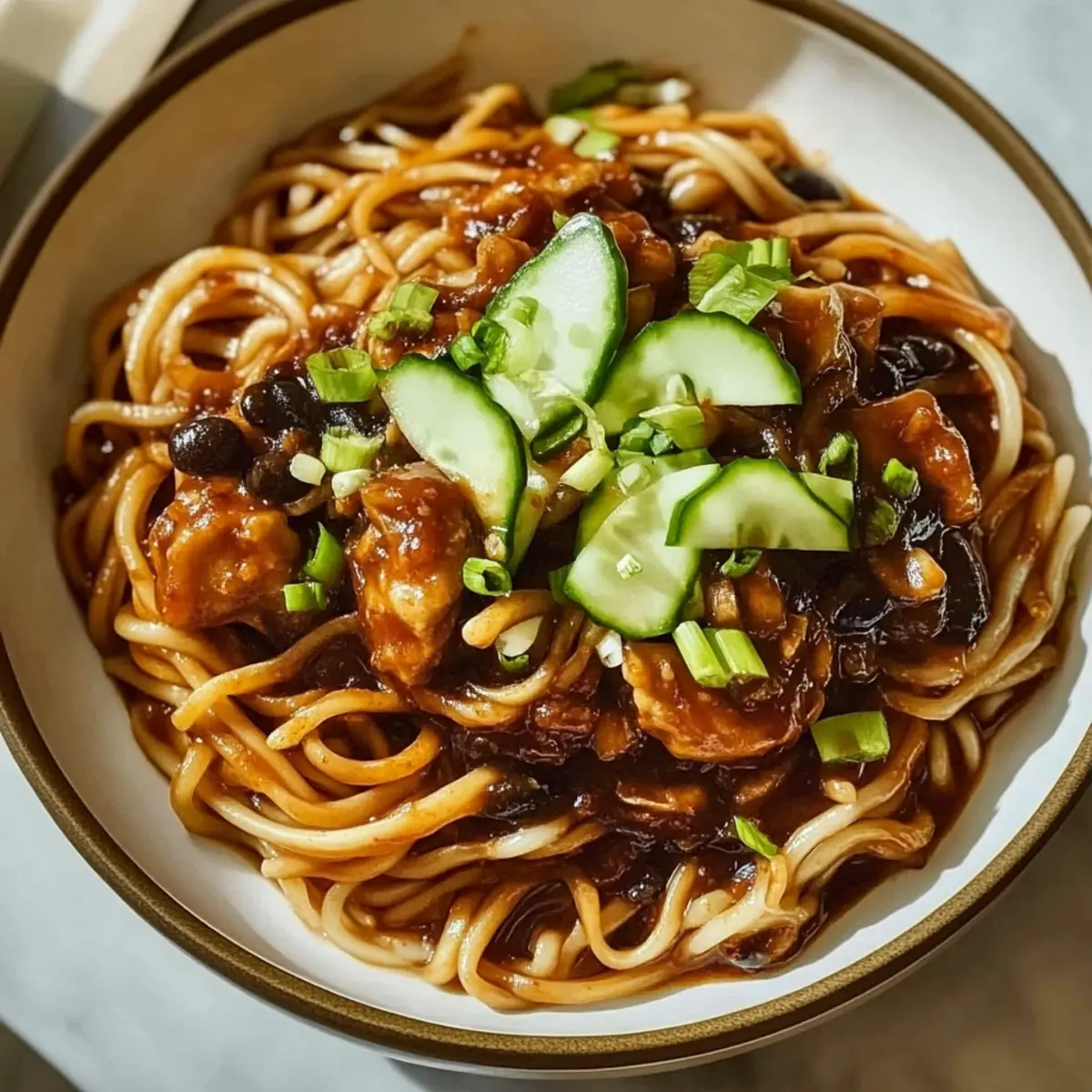
To serve, portion out the cooked noodles onto plates or into bowls, then ladle the thick black bean sauce generously over the top. Garnish with the reserved green parts of the scallions and slices of Persian cucumber to add a refreshing crunch. Toss everything gently to combine flavors before diving in!
Make Ahead Options
These savory Korean black bean noodles, or Jjajangmyeon, are perfect for meal prep! You can prepare the sauce up to 3 days in advance; just make sure to let it cool completely before refrigerating in an airtight container. For optimal flavor, store the sauce separately from the noodles to prevent them from becoming soggy. Cook the noodles fresh just before serving to ensure they retain their delightful chewiness; this usually takes 4-7 minutes in boiling water. When ready to serve, simply reheat the sauce on low heat while you cook the noodles, and you’ll have a comforting, homemade meal ready in minutes—perfect for busy weeknights!
Tips for the Best Jjajangmyeon
-
Fry the Paste Well: Ensure the black bean paste is sautéed thoroughly; this enhances its rich flavor and prevents bitterness.
-
Use Fresh Noodles: Opt for fresh wheat noodles for a chewy texture. If using dried noodles, cook them al dente to avoid sogginess.
-
Separate Sauce and Noodles: Keep the sauce and noodles separate until serving to maintain the ideal texture of both components in your Korean black bean noodles.
-
Don’t Rush the Simmer: Allow sufficient simmering time for the sauce to thicken and develop flavors, about 8-10 minutes is ideal.
-
Balance the Flavors: Taste your sauce before serving; adjust sweetness or saltiness by adding more sugar or soy sauce, ensuring a well-rounded flavor experience.
-
Prep Before Cooking: Chop all ingredients beforehand to streamline your cooking process and avoid confusion in the kitchen.
What to Serve with Authentic Jjajangmyeon
Elevate your dinner experience by pairing this hearty noodles dish with delightful accompaniments that balance flavors and textures.
- Pickled Yellow Radish: A traditional side that cuts through the richness of the sauce, enhancing the overall dining experience. Its tangy flavor refreshes the palate between bites.
- Korean Style Salad: Light and crisp, a salad featuring mixed greens, sesame oil, and a hint of vinegar offers a bright, refreshing contrast to the noodles. The crunchiness complements the chewy texture perfectly.
- Spicy Kimchi: Adding a spicy kick, kimchi complements the savory notes of Jjajangmyeon while also providing beneficial probiotics for a healthy gut.
- Tofu Soup: A mild, comforting soup made with silken tofu and a light broth enhances the meal without overwhelming the palate. It’s an ideal way to transition into the rich flavors of the noodles.
- Sesame Broccoli: Lightly steamed broccoli topped with sesame seeds adds a nutritious green element, contributing a touch of nutty flavor and texture to the dish.
- Soju or Light Beer: Pair your meal with a refreshing soju or a light lager. Both drinks offer a nice balance of flavors and will enhance the overall dining experience.
- Mochi Ice Cream: For dessert, consider a creamy mochi ice cream. Its soft texture and sweet, satisfying taste serve as a delightful finish after your savory meal.
- Fruit Platter: A refreshing assortment of seasonal fruits provides a light and sweet contrast, cleansing the palate after the savory jjajangmyeon.
- Green Tea: Known for its antioxidant properties, a warm cup of green tea rounds out the meal, aiding digestion while keeping things cozy after a hearty dinner.
Storage Tips for Korean Black Bean Noodles
Fridge: Store leftover Jjajangmyeon in an airtight container for up to 5 days. Keep the noodles and sauce separate to maintain texture.
Freezer: For longer storage, freeze the sauce in a freezer-safe container for up to 2 months. Reheat on low heat before serving.
Reheating: When ready to enjoy leftovers, reheat the sauce gently on the stove, stirring frequently, and boil fresh noodles as the sauce warms.
Meal Prep: The sauce can be made ahead of time. Just store in the fridge and cook fresh noodles when ready to serve your Korean Black Bean Noodles.
Korean Black Bean Noodles Variations
Feel free to get creative and customize the recipe to suit your taste and dietary preferences!
-
Protein Swap: Substitute pork with chicken thighs or tempeh for a leaner or vegetarian option. Each protein brings its unique flavor, enhancing the richness of the dish.
-
Veggie Boost: Add a vibrant medley of vegetables, such as zucchini, carrots, or bell peppers, to increase the nutrition and color of your jjajangmyeon. Not only will this add visual appeal, but it will also provide delightful texture to every bite.
-
Noodle Choices: Experiment with various noodles like ramen or udon for a unique twist on the dish. Each type of noodle offers a different texture and can elevate the experience of your homemade Jjajangmyeon.
-
Spicy Kick: Incorporate a sprinkle of gochugaru (Korean red pepper flakes) or a drizzle of sriracha to ignite the flavors with some heat. This brings an exciting depth while still allowing you to enjoy that comforting sauce.
-
Dairy-Free Creaminess: For a rich, creamy edge without dairy, mix in a splash of coconut milk or top with creamy avocado slices. It infuses the dish with a delightful layer of flavor.
-
Herb Infusion: Add fresh herbs like cilantro or parsley for a refreshing contrast to the savory sauce. It enhances both the taste and presentation, offering an aromatic lift.
-
Sweet & Sour Twist: For a tangy flavor, replace the apple cider vinegar with rice vinegar, or squeeze in fresh lime juice before serving. This brightens the dish while complementing the black bean richness.
-
Umami Boost: Try substituting oyster sauce with shiitake mushroom sauce for a vegetarian umami kick. This simple change enhances the overall flavor profile, making it irresistibly rich.
If you’re looking to explore more delicious Asian-inspired recipes, consider making Chili Oil Noodles or enjoy the flavors of Gochujang Korean Tofu. Dive into new culinary experiences right in your own kitchen!
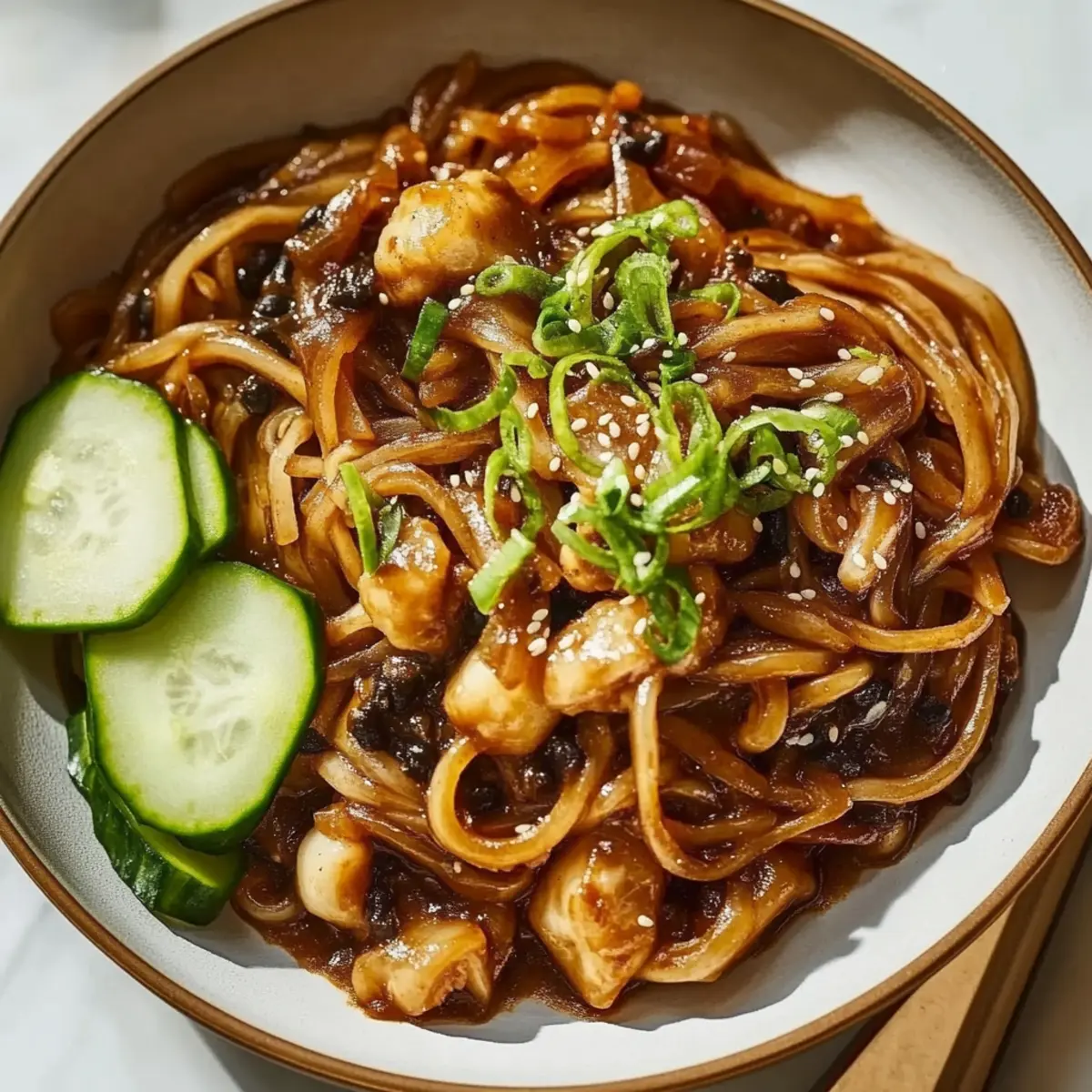
Korean Black Bean Noodles – Jjajangmyeon Recipe FAQs
How do I know if my vegetables are ripe enough for this dish?
For the green cabbage and yellow onions, look for vibrant colors and firm textures. Avoid any that have dark spots or feel mushy. Crisp, bright vegetables will add crunch and sweetness to your Jjajangmyeon.
How should I store leftover Jjajangmyeon?
To maintain the best texture of your Korean black bean noodles, store them separately: place the sauce in an airtight container and keep the noodles in another for up to 5 days in the refrigerator. Before serving, gently reheat the sauce over low heat while you boil some fresh noodles to pair with it.
Can I freeze Jjajangmyeon sauce?
Absolutely! You can freeze the black bean sauce in a freezer-safe container for up to 2 months. When you’re ready to enjoy it, thaw overnight in the refrigerator and reheat gently on the stove. Boil fresh noodles to serve alongside the warmed sauce.
My black bean sauce didn’t thicken properly. What can I do?
No worries! If your sauce is too thin, you can create a slurry by mixing a few teaspoons of potato starch with cold water and gradually adding it to the sauce while it simmers. Stir continuously for a couple of minutes, and it should thicken nicely. Ensure you’re simmering at a low heat to avoid scorching.
Are Jjajangmyeon suitable for vegetarians or vegans?
Yes, you can easily make this dish vegetarian! Simply replace the pork with tofu or use tempeh, and substitute the oyster sauce with mushroom sauce. Use vegetable broth instead of chicken bouillon powder to keep it vegetarian-friendly!
What should I do if I have food allergies?
If you or your loved ones have allergies, be mindful of the specific ingredients. For example, the soy sauce can be swapped with a gluten-free alternative if you’re allergic to gluten. Always check the labels on packaged ingredients for allergen information!
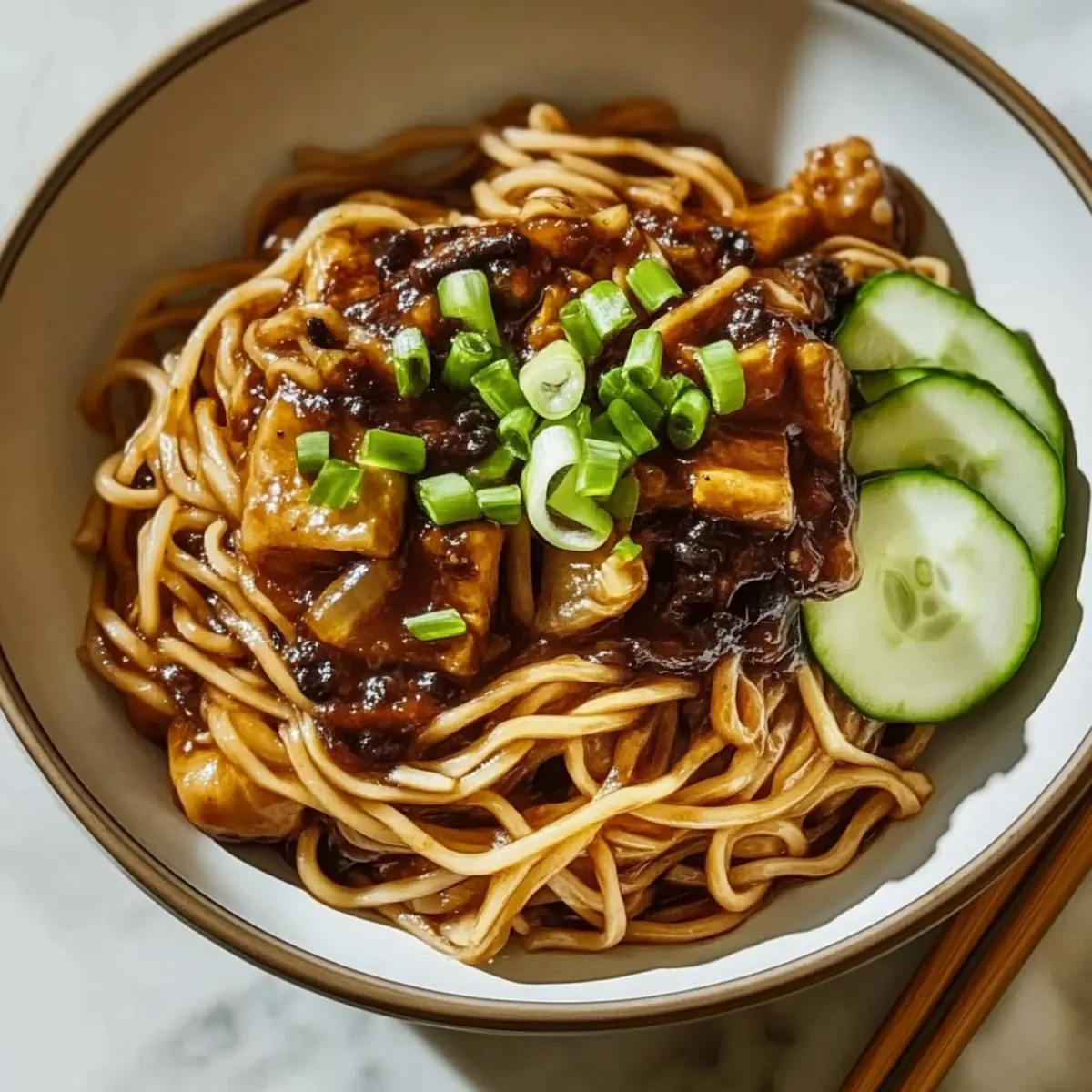
Savory Korean Black Bean Noodles - Jjajangmyeon Made Easy
Ingredients
Equipment
Method
- Prepare the ingredients by chopping cabbage, dicing onion, and slicing scallions.
- Heat vegetable oil in a large pot or wok and sauté chopped cabbage and onion for 4 to 6 minutes until translucent.
- Add diced pork and ginger, cooking for 3 to 5 minutes until the pork is no longer pink.
- Stir-fry black bean paste in the center of the pot for 3 to 5 minutes until glossy.
- Mix in sugar, oyster sauce, soy sauce, and chicken bouillon, stirring for 1 to 2 minutes.
- Pour in water and simmer for 8 to 10 minutes until thickened.
- Combine potato starch with cold water and add to the sauce, cooking for 2 to 3 minutes until thickened.
- Cook noodles in boiling water for 4 to 7 minutes, drain, and rinse under cold water.
- Serve noodles with the black bean sauce, garnished with green scallion parts and cucumber.
Leave a Reply